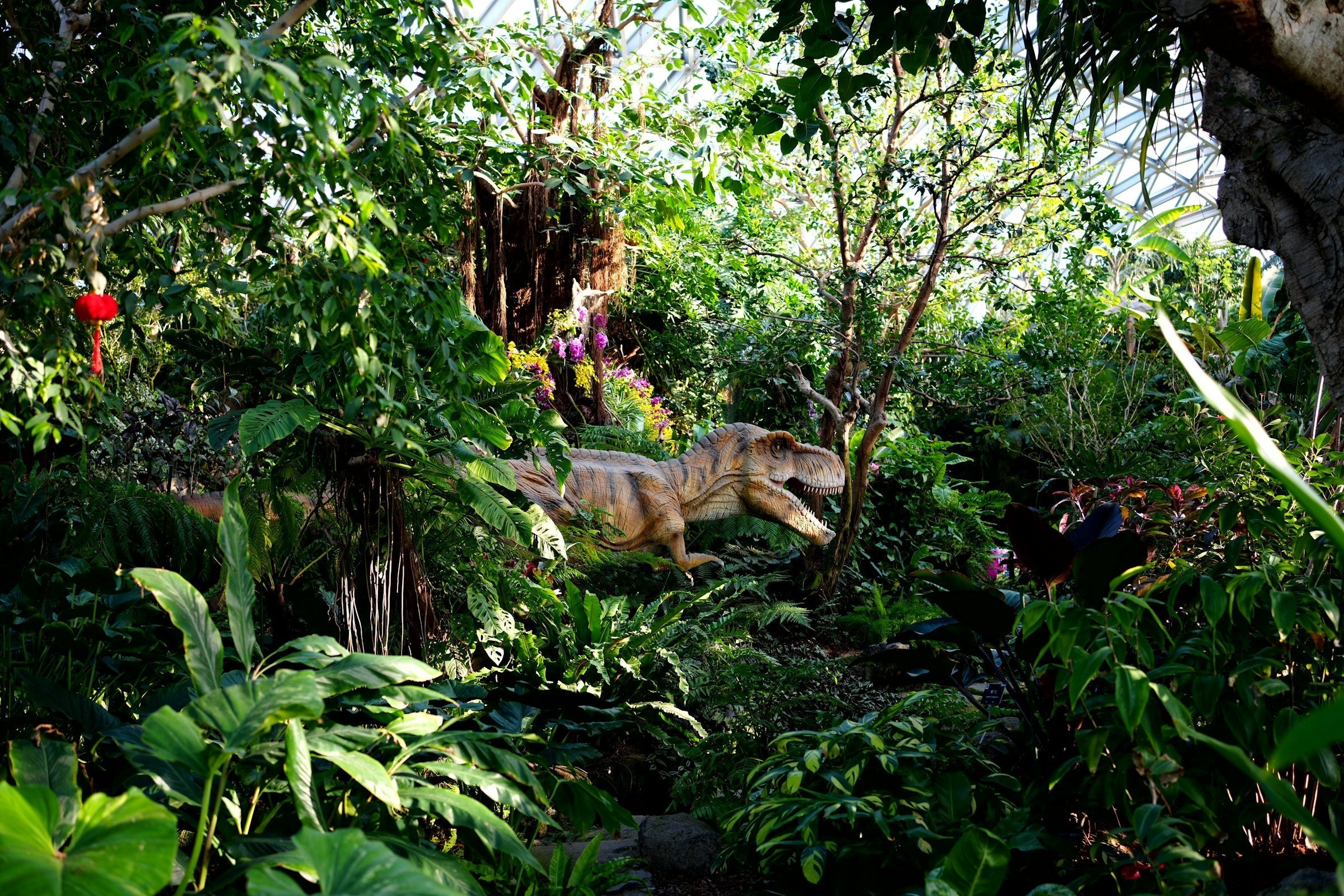
When you watch a movie about dinosaurs, chances are you see them walking around in a lush, green jungle full of palm trees, ferns and colorful tropical flowers. It looks impressive - mysterious, exotic and believable. Yet something doesn't add up. For botanists and scientists, such scenes are often an eyesore. After all, the plant world at the time of the dinosaurs looked very different from the tropical forests we know today.
Climate and landscape at the time of the dinosaurs
The eras in which dinosaurs lived - the Trias, Jurassic and Cretaceous - together covered about 186 million years. During that enormous time span, both the climate and the flora changed dramatically.
Trias (ca. 252-201 million years ago)
The climate was predominantly hot and dry. Desert-like landscapes occurred in many areas. Vegetation consisted mainly of nudibranchs such as conifers, ginkgo and seed ferns. Flowering plants did not yet exist.
Jurassic (ca. 201-145 million years ago)
The climate became humid and warmer, with a more tropical character. However, it was still mainly nudibranchs that dominated, along with ferns, horsetails and clubmosses. Angiosperms (flowering plants) were still missing.
Cretaceous (ca. 145-66 million years ago)
Only late in this era did the first flowering plants (angiosperms) appear. Think primitive forms that hardly resemble modern orchids, palms or banana plants. The climate was hot and humid, with even polar regions covered with forests - but those forests consisted of very different species than today's tropics.
Which plants were really there?
Some plant groups that did walk around with the dinosaurs:
Cycadophyta (palm ferns)
These look somewhat like palms, but are evolutionarily completely different. They are often the only correct detail in movies - and even then they are sometimes misrepresented.
Ginkgo biloba
These "living fossils" were already present in the Jurassic era. Today only one species remains, but back then there were many forms.
Araucariaceae
This conifer family was widespread and today still forms trees such as the Wollemi pine and the Andean pine.
Seed ferns (Pteridospermatophyta).
Extinct group that externally resembled ferns but carried seeds instead of spores.
Clubmosses and horsetails
Giant versions of what we now know as humble ground plants.
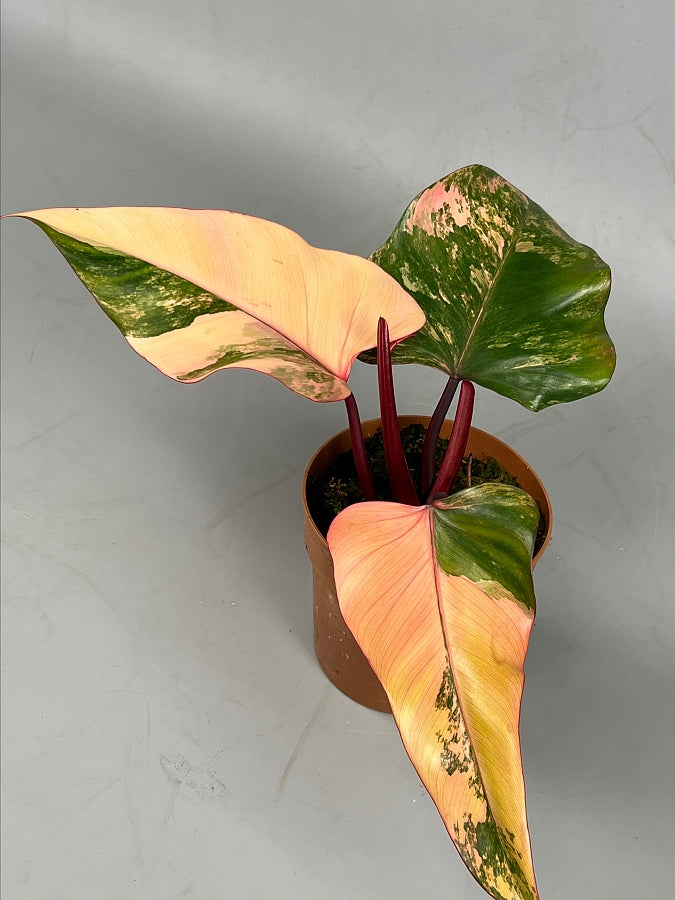
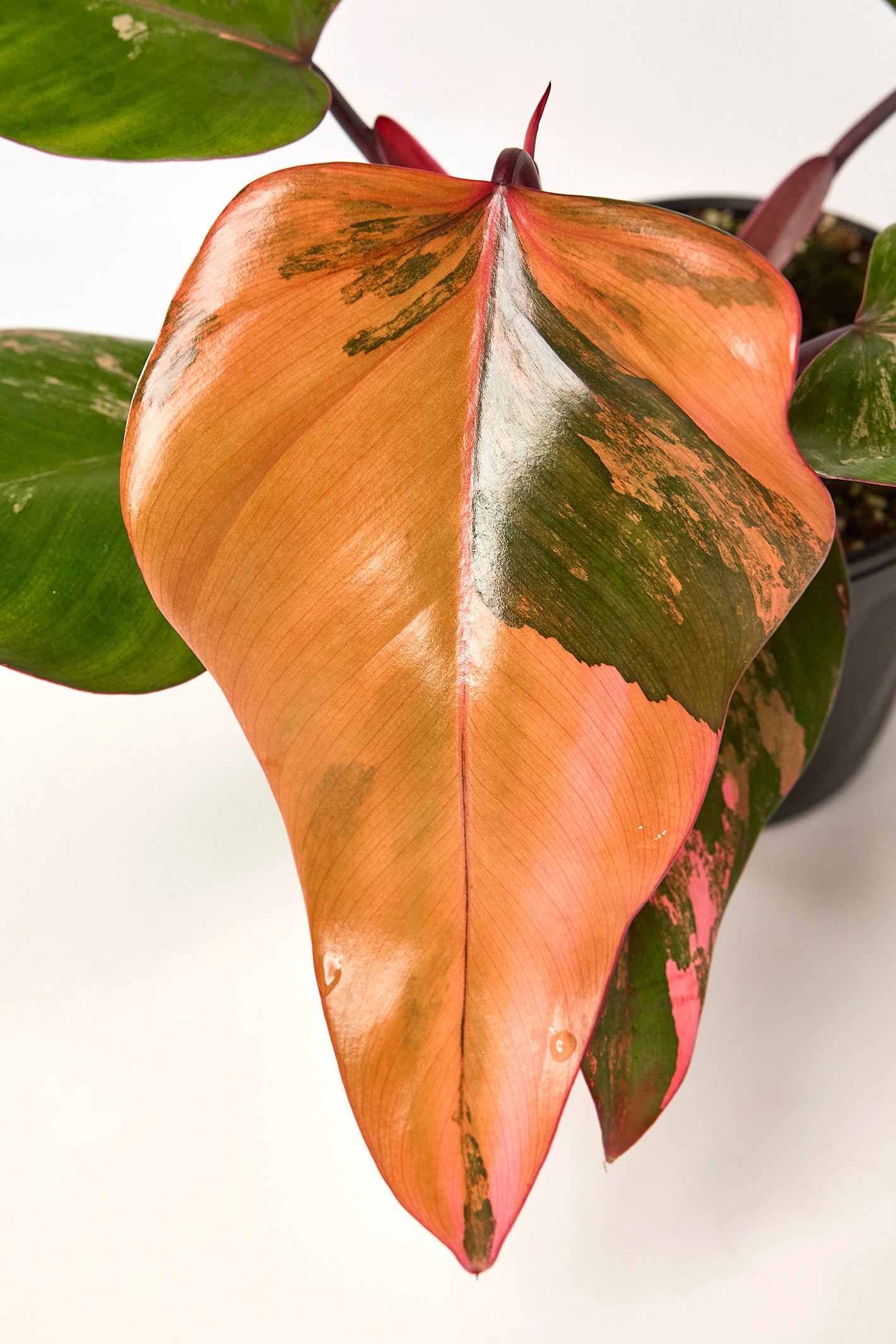
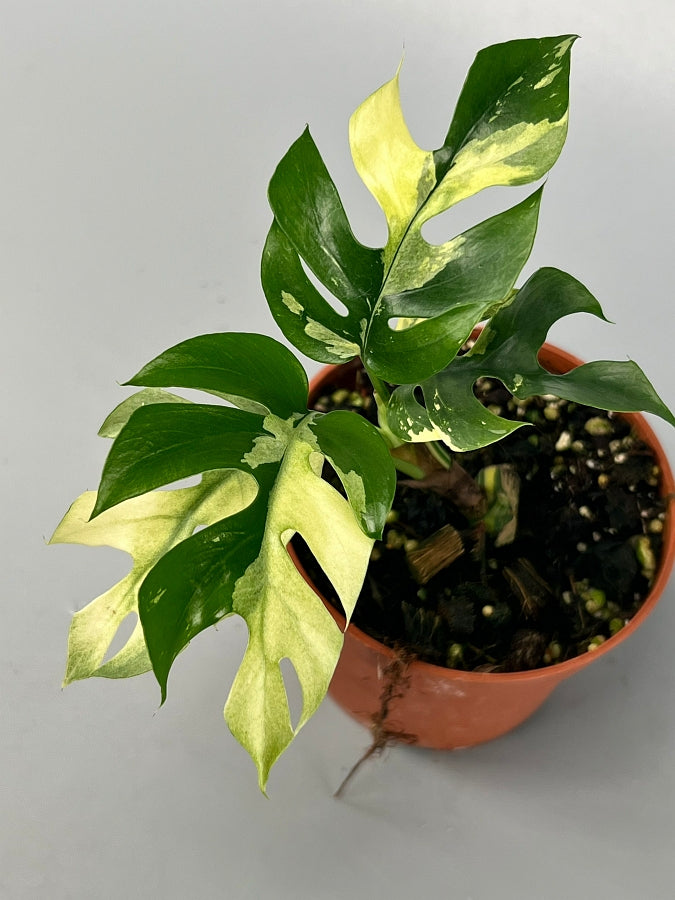
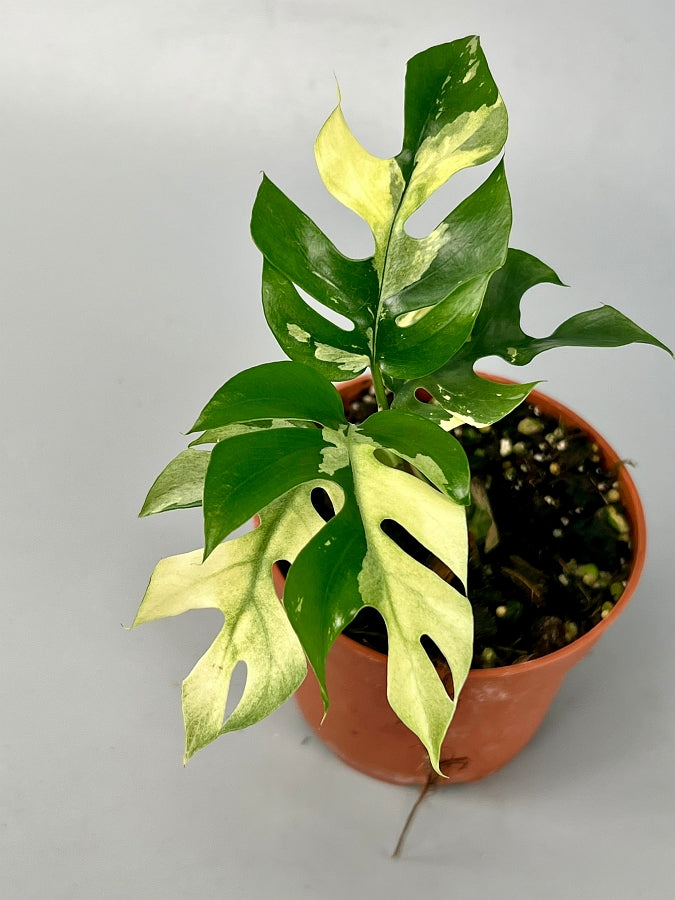
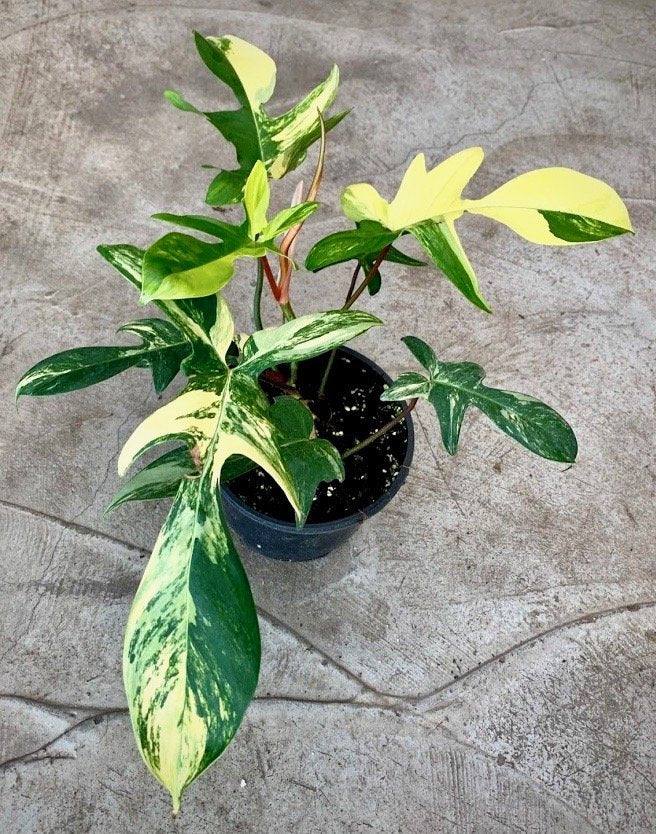
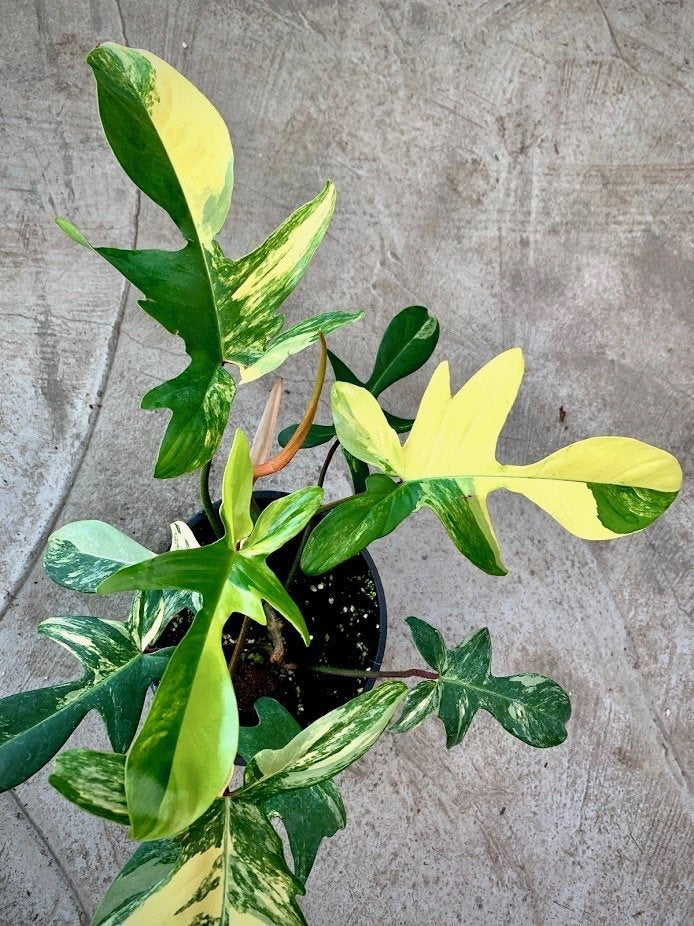
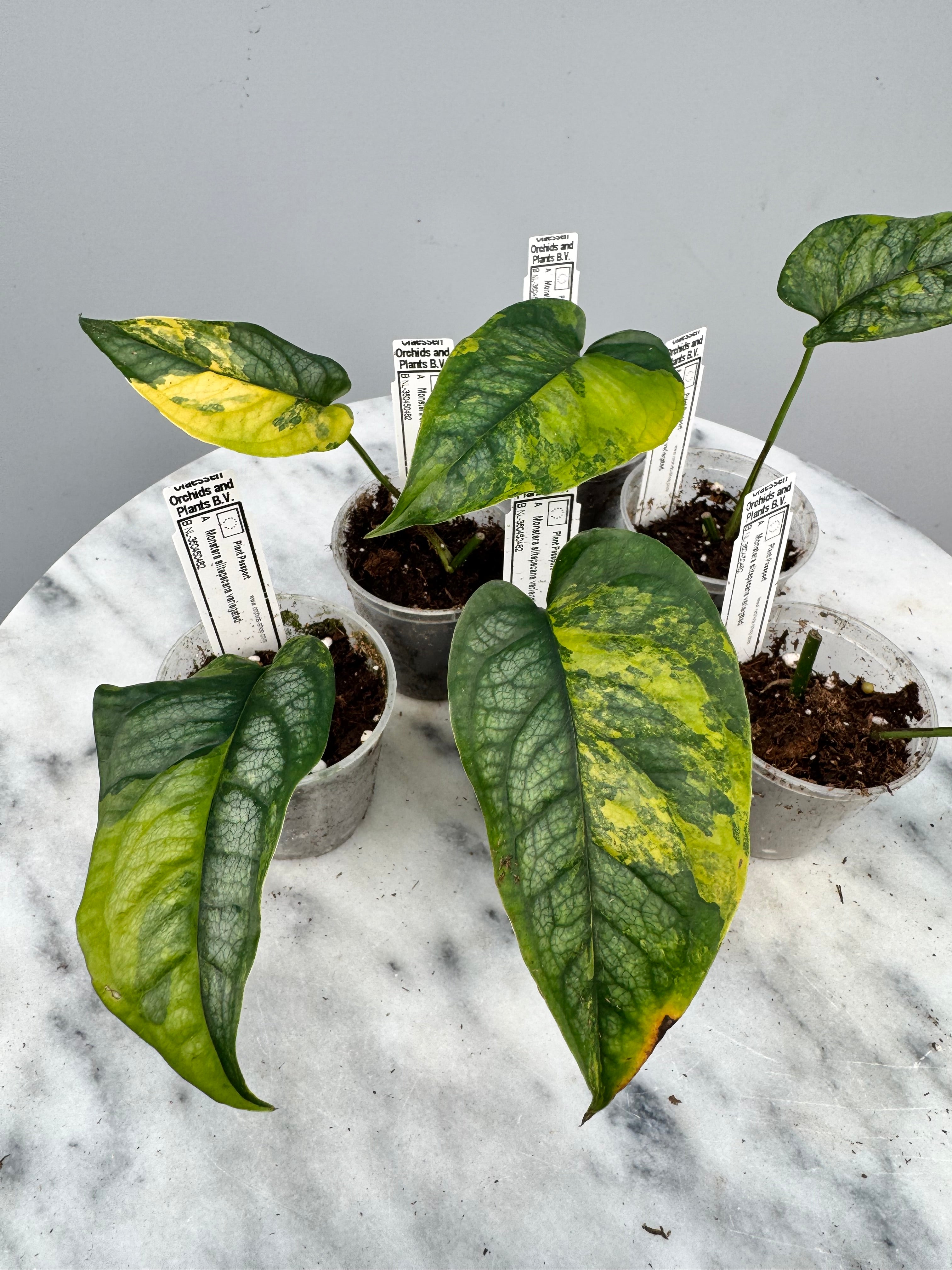
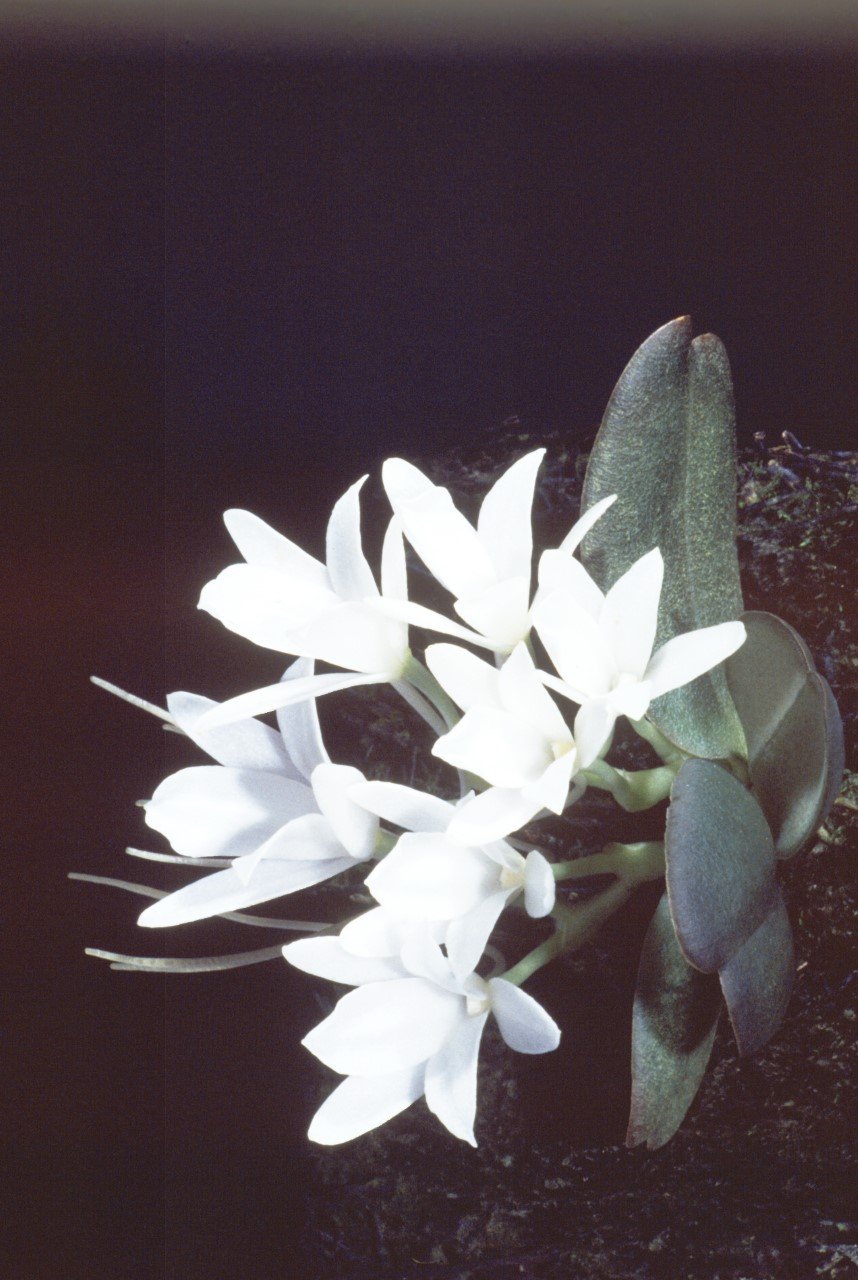
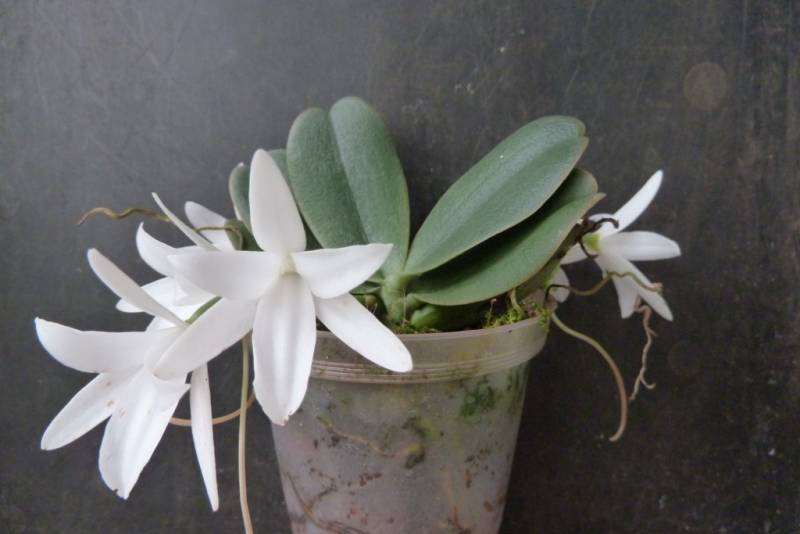
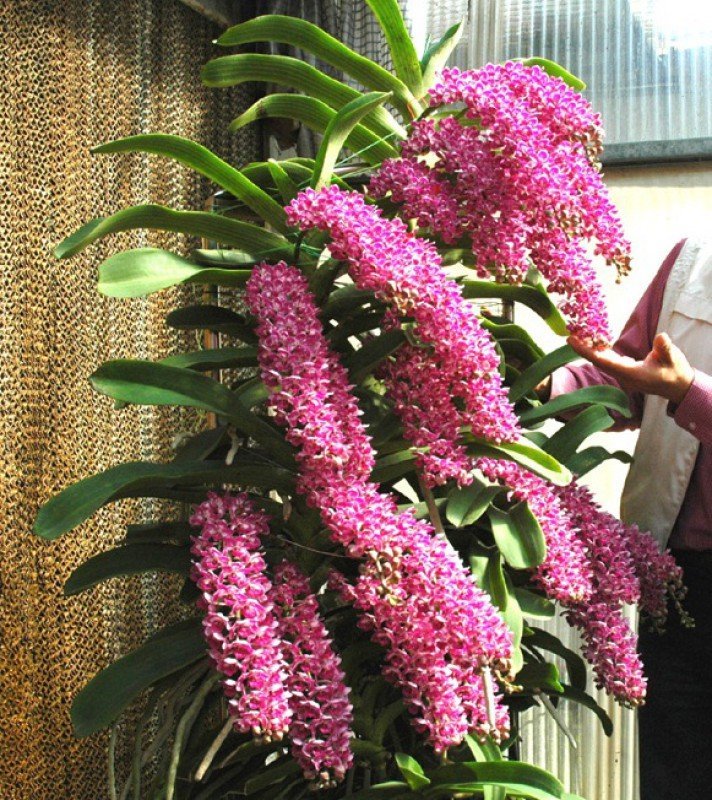
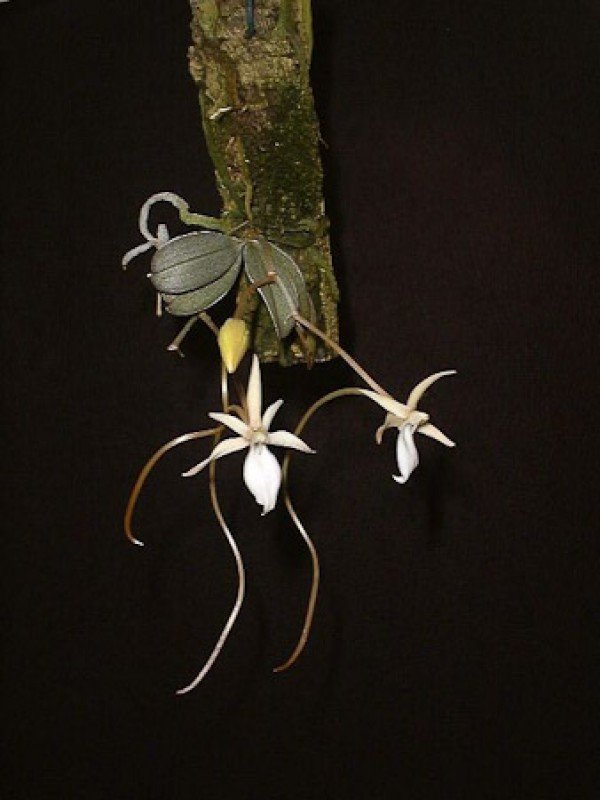
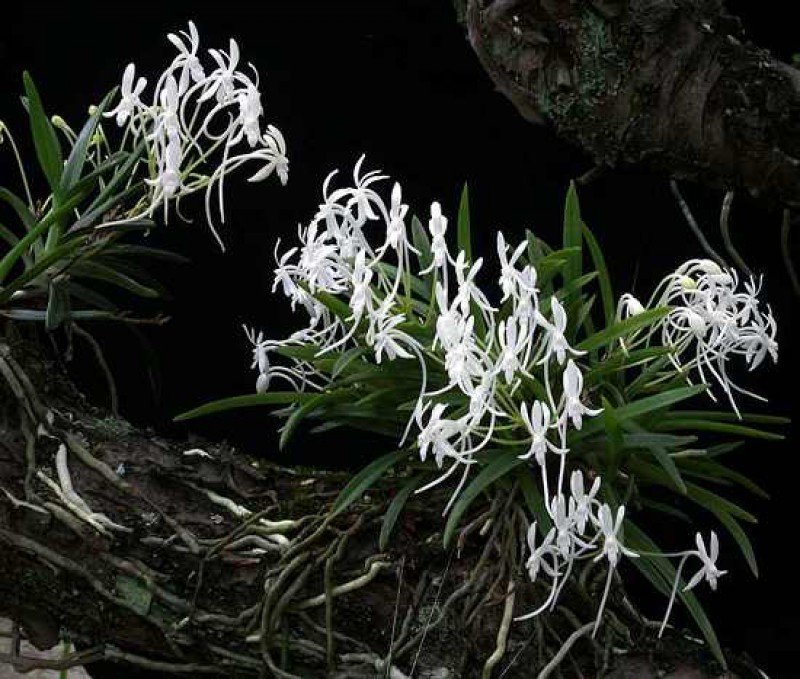
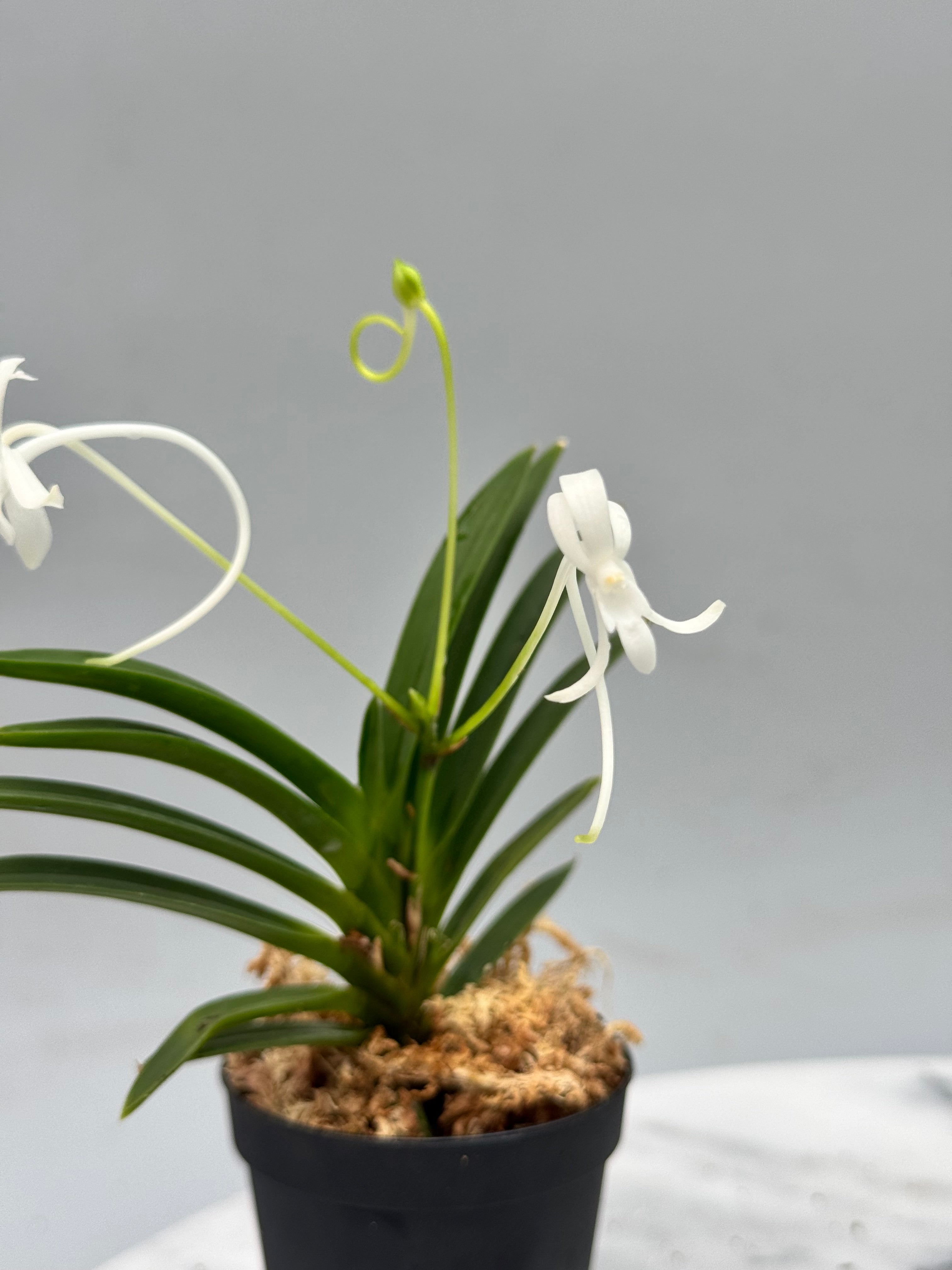
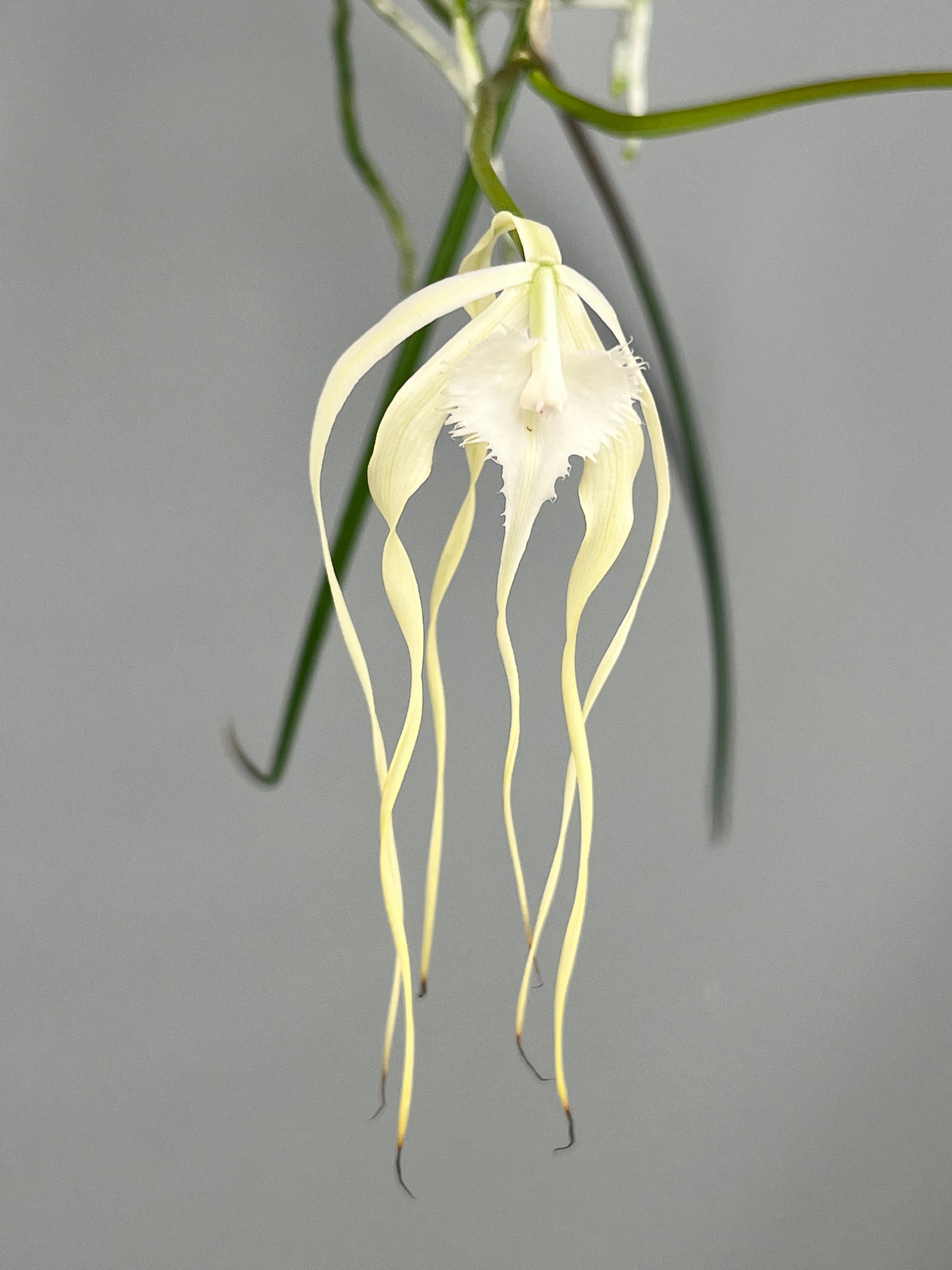
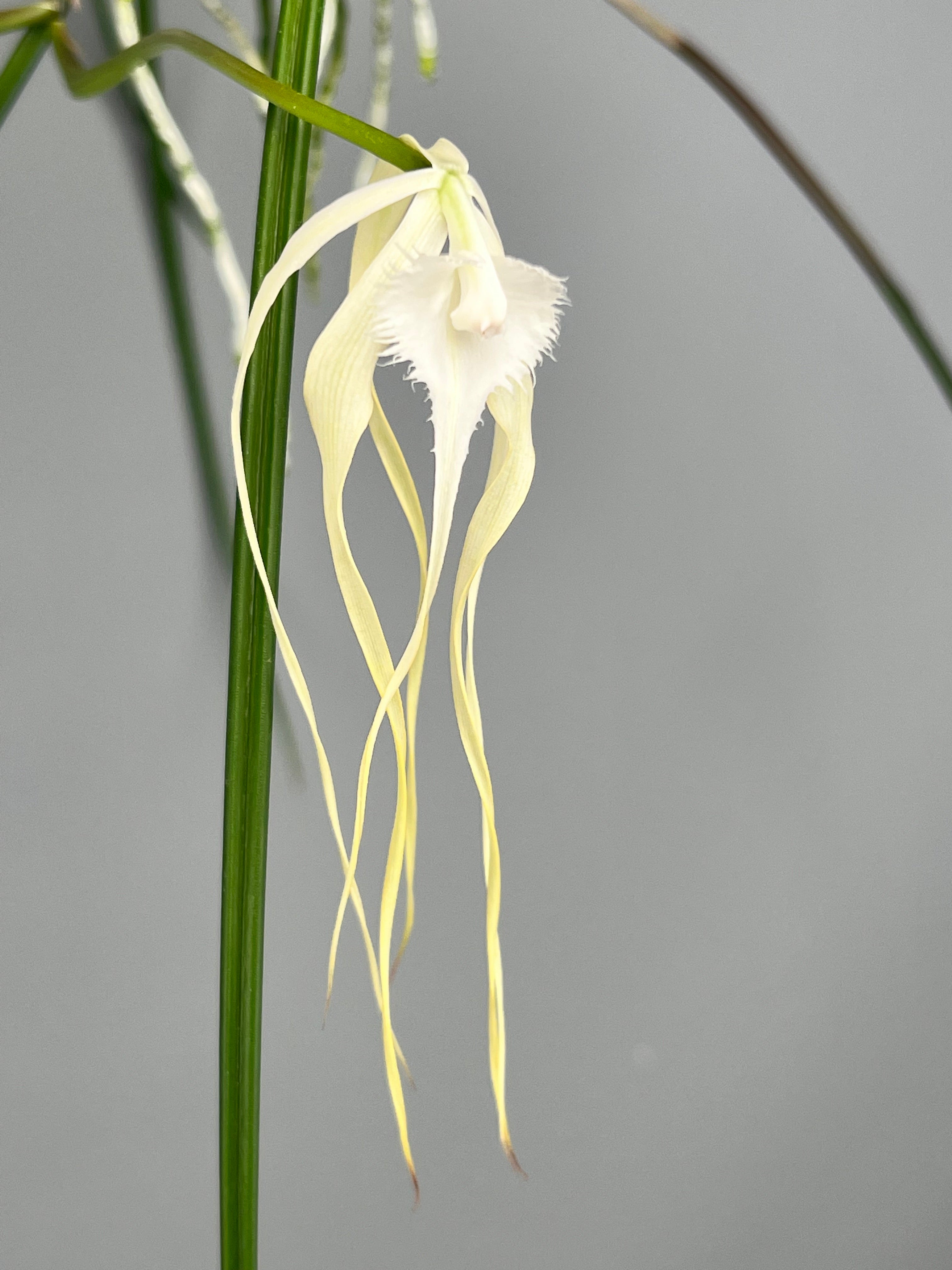
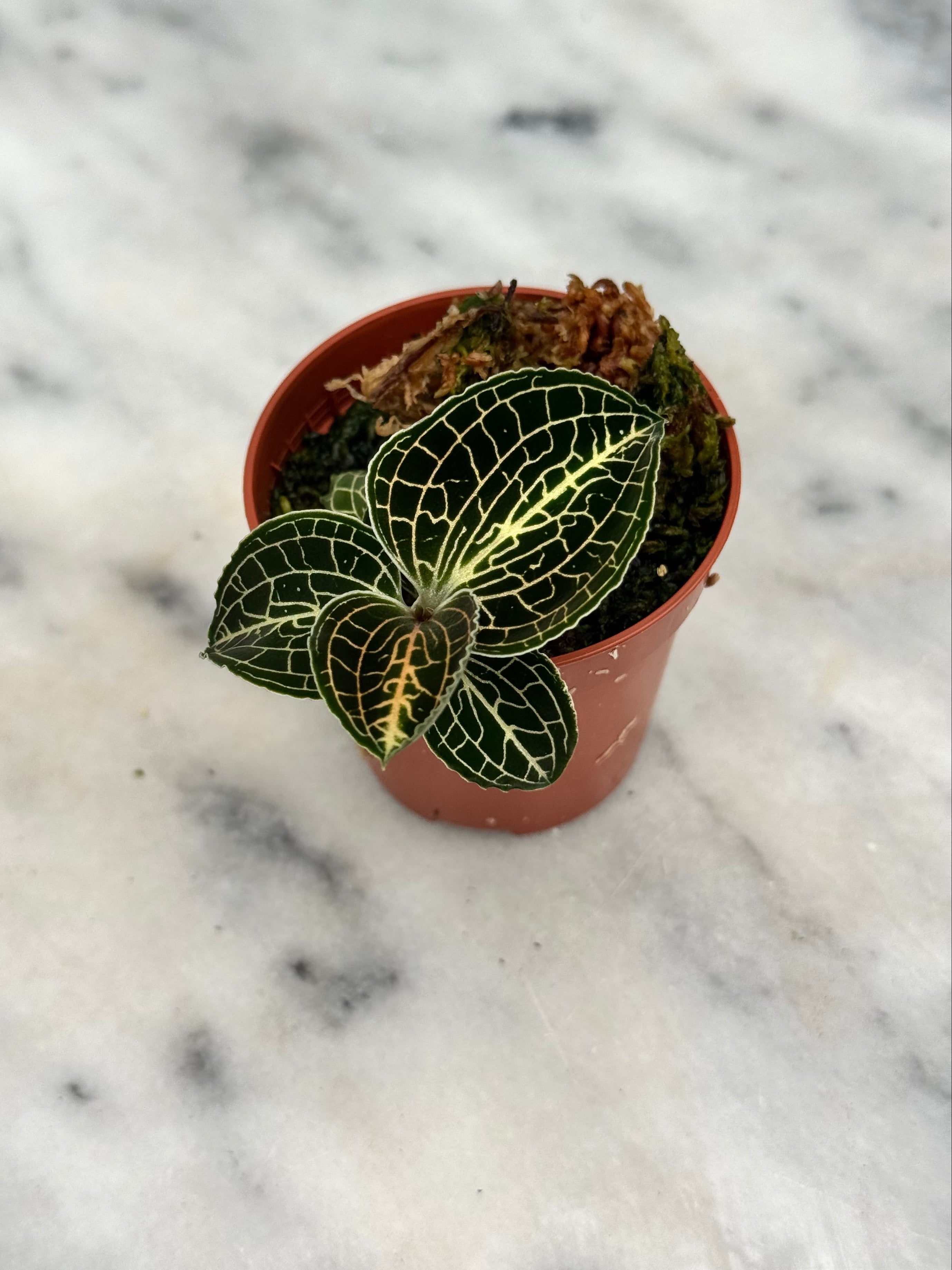
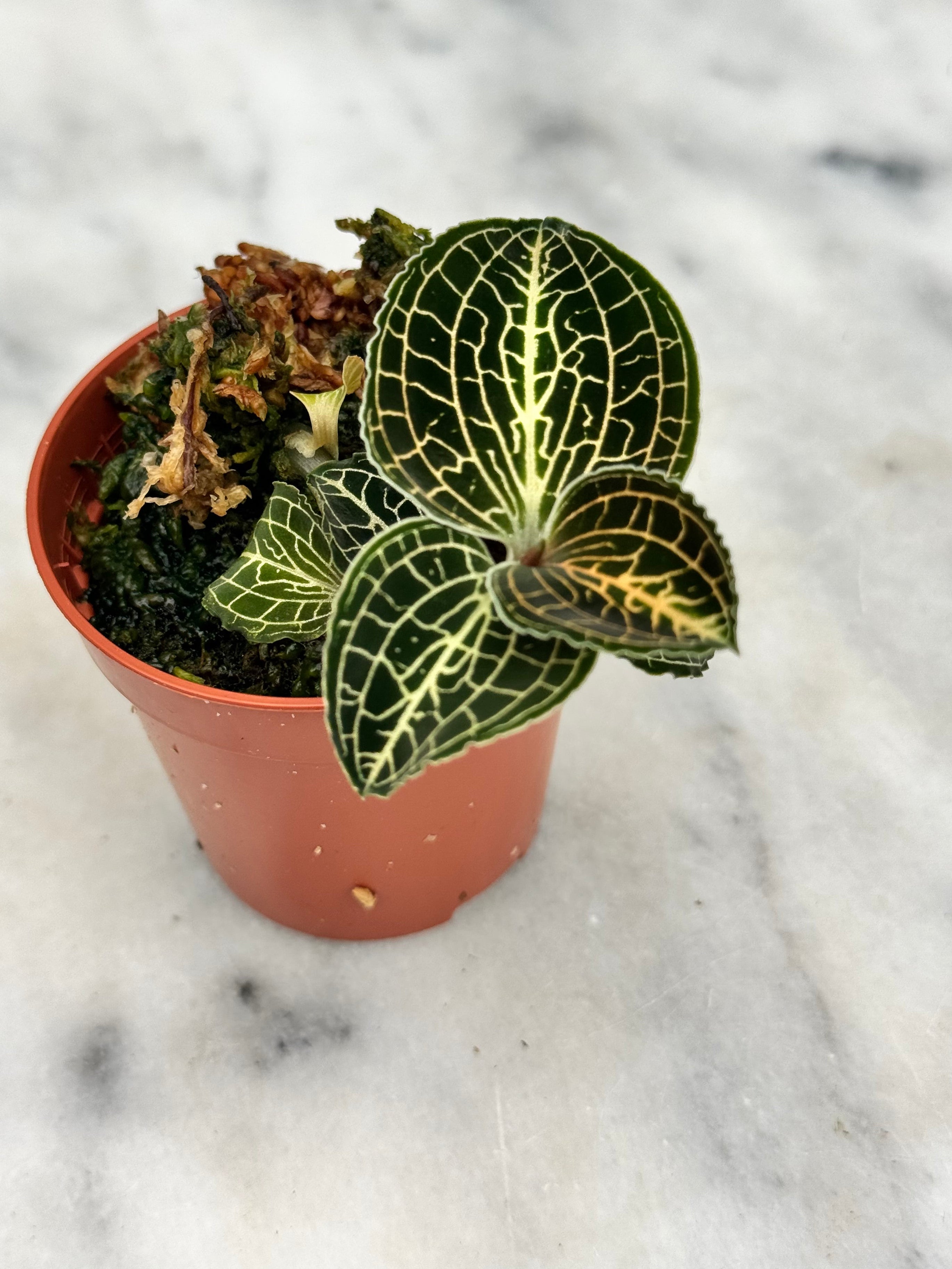
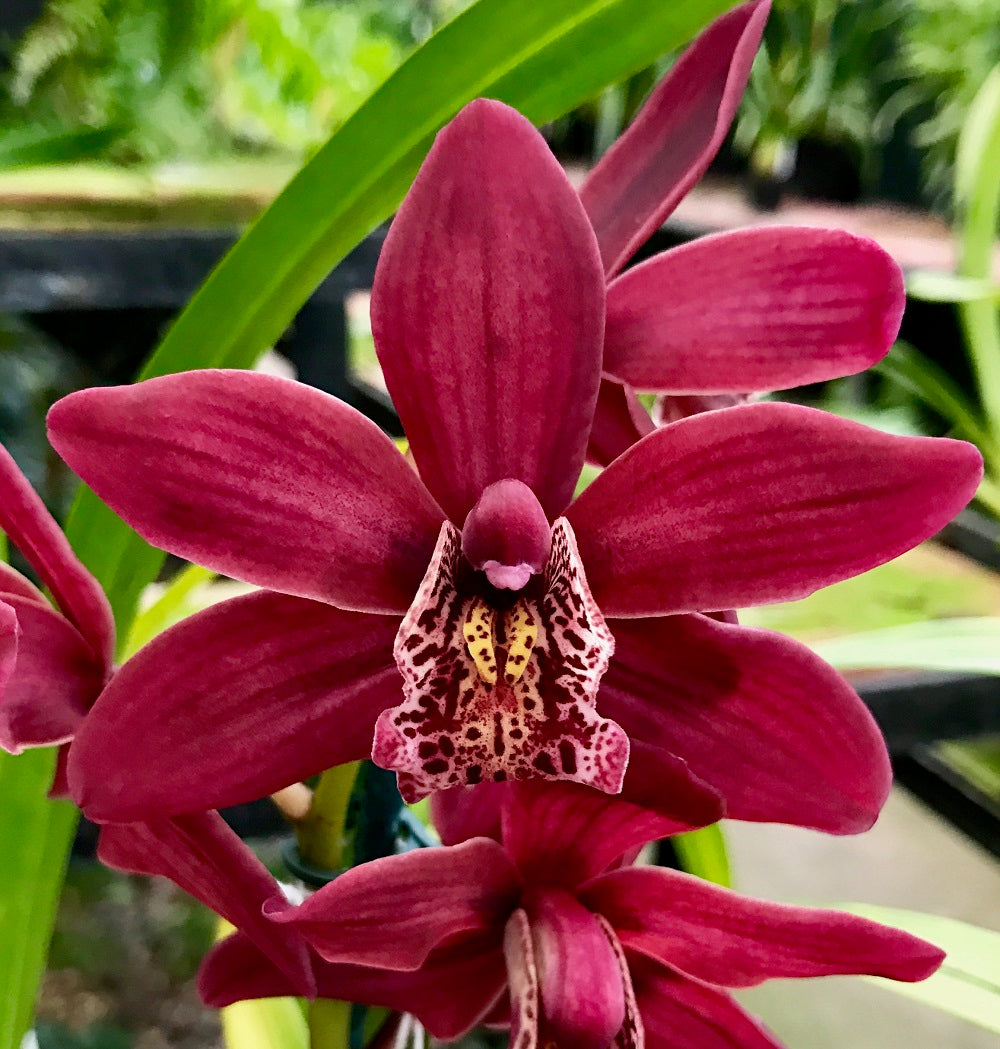
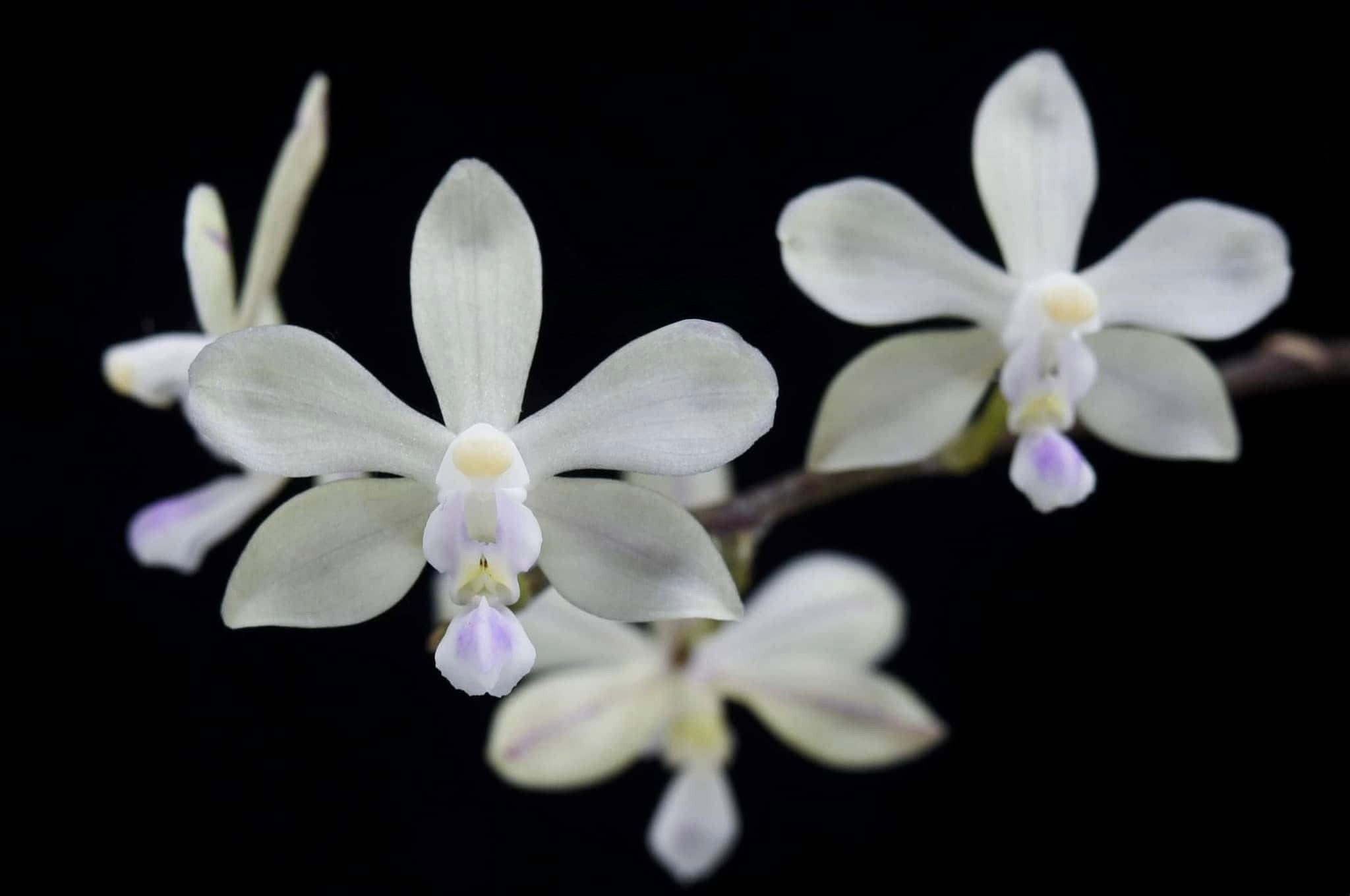
Modern plants like banana trees, coconut palms, rubber trees, monstera's or orchids simply didn't exist yet. Orchids, for example, did not emerge until about 112 million years ago, and most of the species we know evolved much more recently.
Where does the confusion come from?
The confusion arises partly from visual logic: filmmakers want to create a "primal" and "tropical" image, and tropical plants are visually compelling in this regard. Many people associate dense, green rainforests with a pristine past. Therefore, directors often use plants that are now growing in tropical areas - not because of their scientific correctness, but because of their aesthetic power.
Practical reasons also come into play: tropical plants are readily available for sets or CGI animations. A Monstera or Kentia palm is already in many an office, after all, and a fern tunnel is cheaper than digitally reconstructing a forest of giant cycads.
Why does this bother scientists and plant enthusiasts?
For those studying paleobotany or plant taxonomy, this inaccuracy is disturbing. It gives a false picture of how life on Earth evolved. Children and adults often take such images as "historically correct. When an educational film shows wrong flora, it undermines the understanding of evolution, geological time scales and biodiversity.
Moreover, the importance of plants in prehistoric ecosystems often remains underexposed. While dinosaurs are the stars, plants remain the silent backdrop - when in fact they were the foundation of the entire ecosystem.
In short, the next time you see a T-Rex stomping around among palm trees and orchids, you'll know: this is more Hollywood than history. And while it may be cinematically convincing, prehistory - and its unique, mysterious flora - actually deserves a more faithful portrayal.