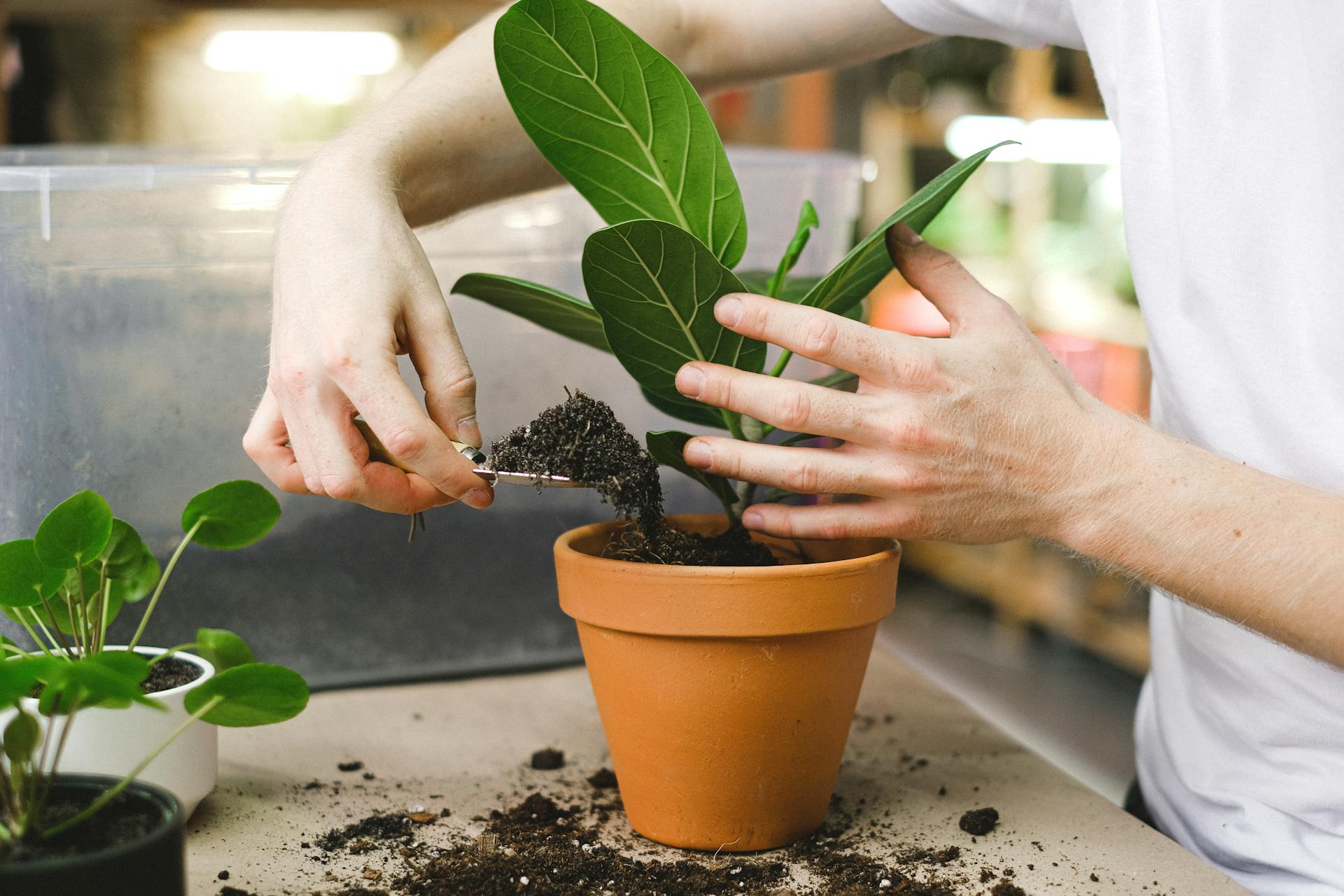
What do you see when you look at a plant? The leaves, the flowers, maybe the stem. But what you don't see is often even more important: the world under the pot. There a fascinating interplay takes place between roots, fungi and microorganisms. Especially in orchids and epiphytes that system is extremely sophisticated. In this article, we take you into that hidden world - and discover how crucial this invisible layer is for the health and survival of your plant.
Roots: more than just anchors
Roots do much more than just hold a plant in place. They are the nerve center of water and nutrient uptake. But not all roots are created equal.

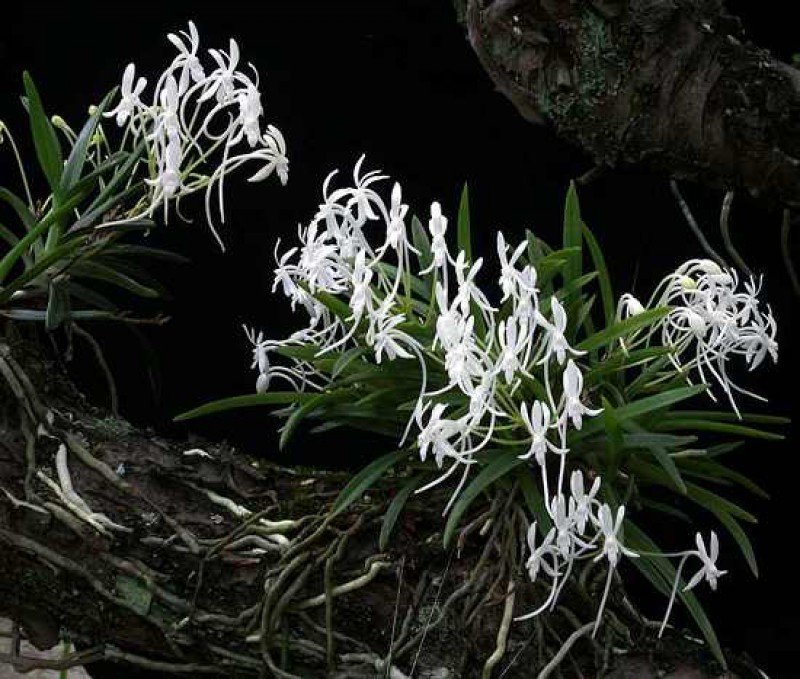
In epiphytic orchids - species that grow on trees in nature - the roots are adapted to an airy, moist environment. These roots are often surrounded by a spongy layer, the velamen, which absorbs moisture and nutrients from rain, dew and mist like a sponge. You can see this in species such as Phalaenopsis, Vanda and Cattleya.

Terrestrial plants - like many tropical houseplants - have roots that grow in the ground. Those roots branch finely to create as much contact surface area with the substrate as possible. This allows them to absorb water and minerals efficiently. But they rarely do so alone.
Fungi as friends: mycorrhiza
In nature, roots often cooperate with fungi. This so-called mycorrhiza is a symbiosis in which the fungus settles around or even inside the roots. In exchange for sugars that the plant produces through photosynthesis, the fungus helps absorb water and hard-to-reach nutrients, such as phosphorus or zinc.
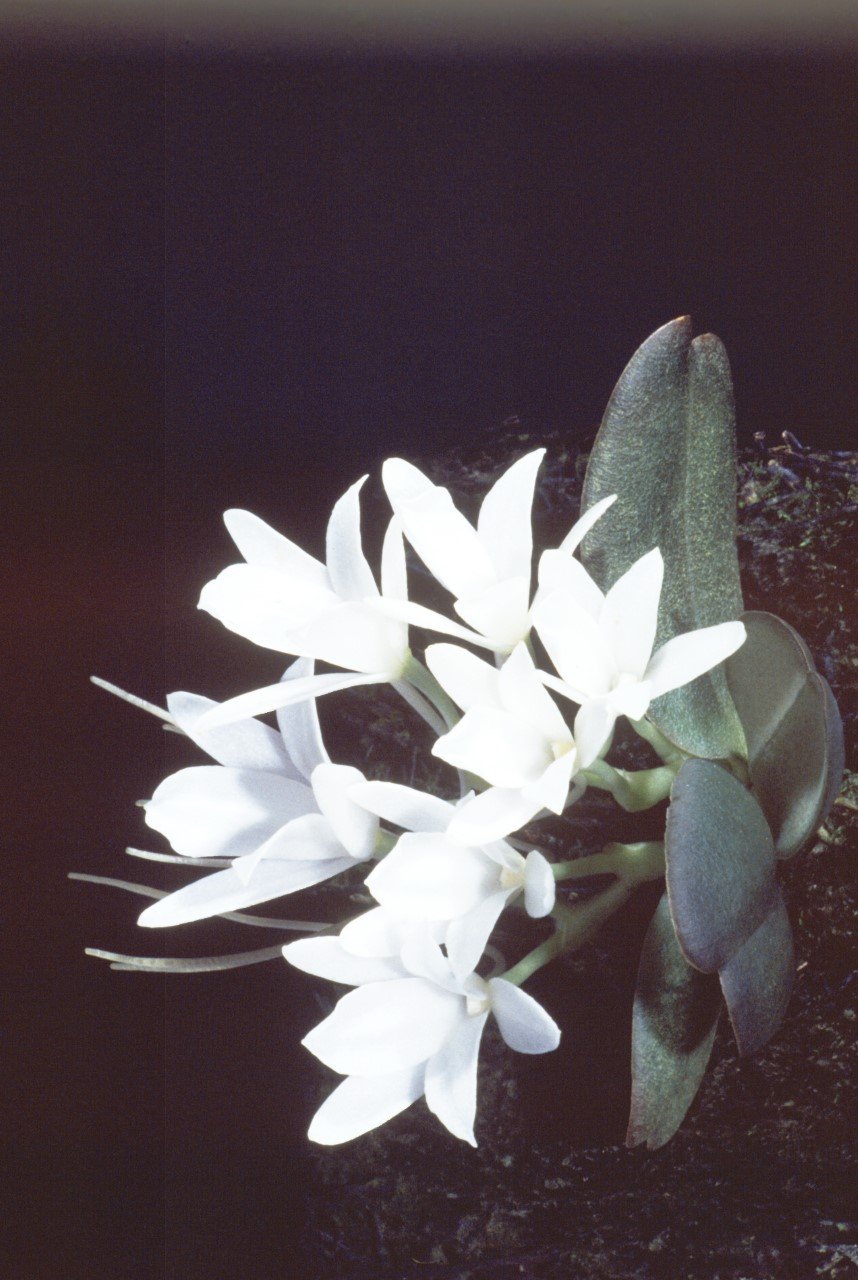
In many orchids, this cooperation is essential. In fact, some species cannot germinate at all without their fungal partner. In seeds of, for example Dendrobium, Catasetum or Coryanthes there is hardly any spare food. The young seedling relies entirely on the fungus to develop.
Even mature plants often continue to benefit from this cooperation. Especially in species growing on poor soils or in tree canopies, where food is scarce, mycorrhiza is a way to still survive.
The right substrate: ecosystem in a pot
What you put in a pot is more than filler. It is, or at least should be, a living ecosystem.
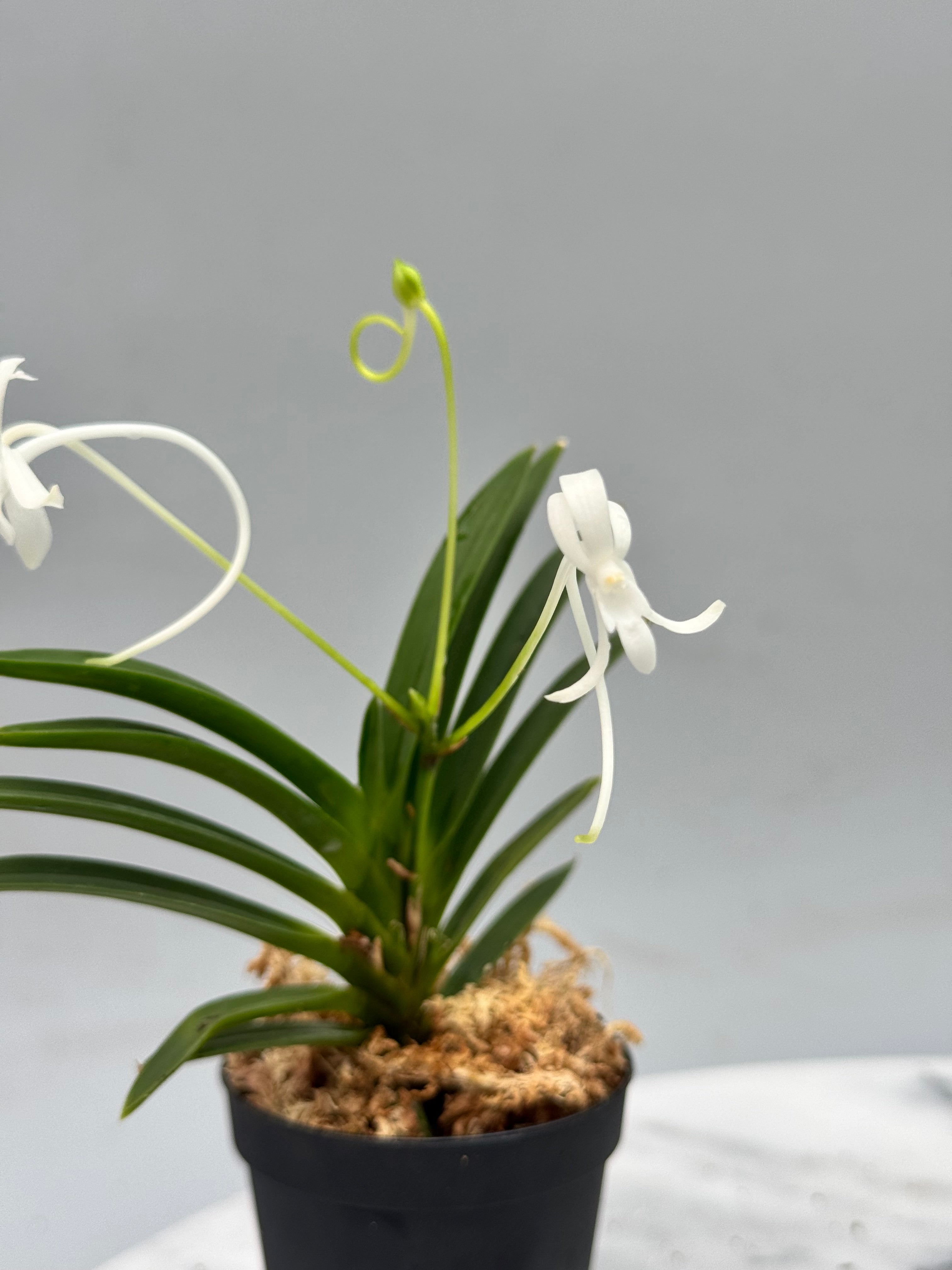
A good substrate has a structure that suits the plant's root form and natural habitat. For example, epiphytes benefit from an airy, fast-draining mixture with bark, charcoal or sphagnum moss. Terrestrial plants, on the other hand, like a rich, moisture-retaining substrate with coir, leaf litter or bark.

But microorganisms also play a role here. In a healthy substrate, bacteria, fungi and even small insects live with the system. These break down organic material, keep harmful pathogens in check and improve nutrient absorption. When a substrate is too sterile - as with some synthetic mixtures - that ecosystem can be disrupted.
The balance: why it matters
Understanding what's happening under the pot helps you make better choices for your plant. A plant you pot "wrong" - too compact, too wet, too dry, too sterile - quickly becomes stressed. This manifests itself in yellowed leaves, root rot, or even the death of the entire plant.
By studying the root structure, the natural growth type (epiphyte, lithophyte, terrestrial), and the possible fungal symbiosis, you give your plant the chance to really flourish. You are not working against nature, but with it.
In conclusion
The next time you repot a plant or bring in a new variety, think for a moment about that hidden world beneath the surface. Every root, every fungus and every piece of substrate tells a story. Those who learn to read that story will gain a deeper respect for the complexity of plants - and discover how much is alive even when you can't see it.