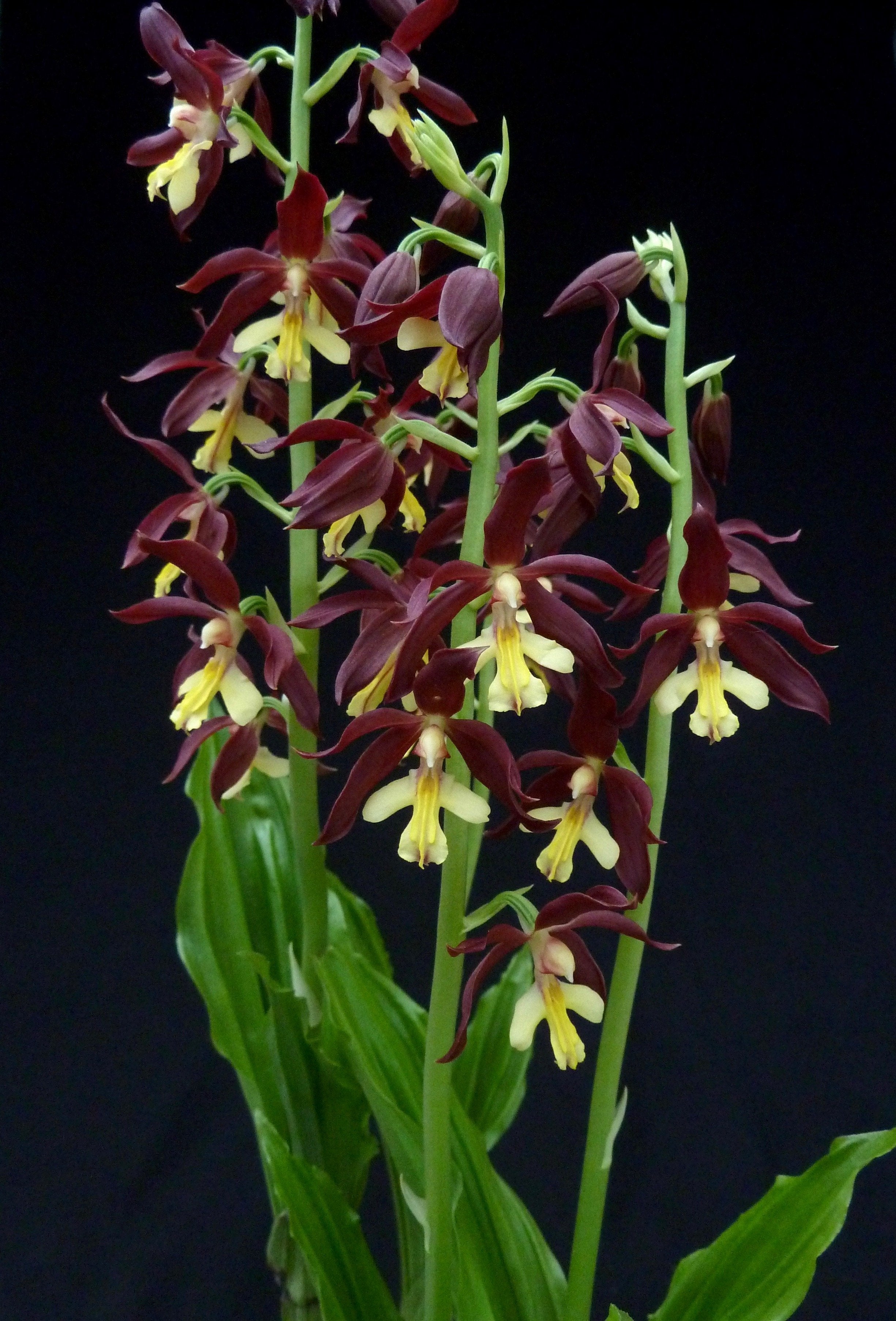
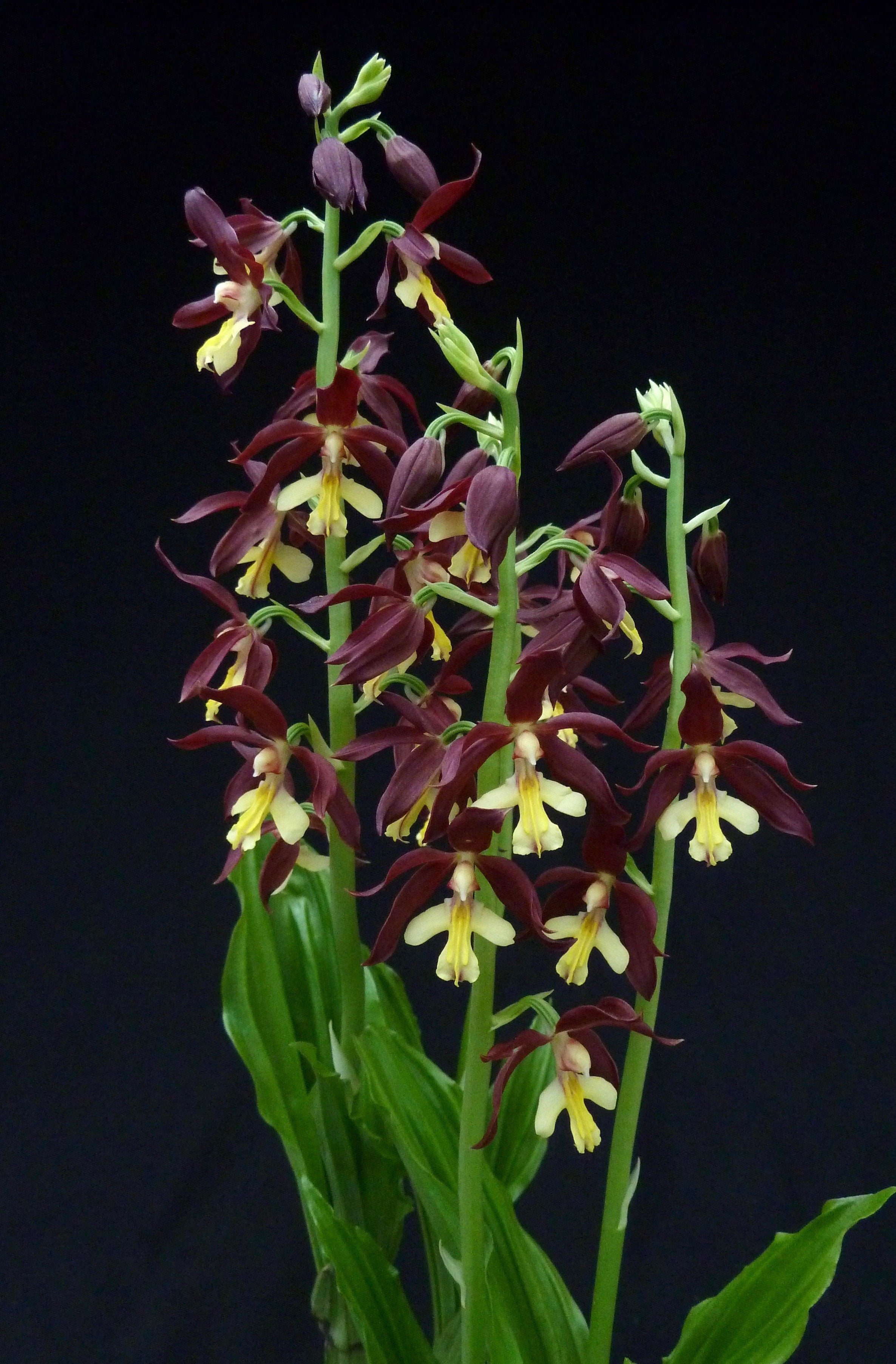
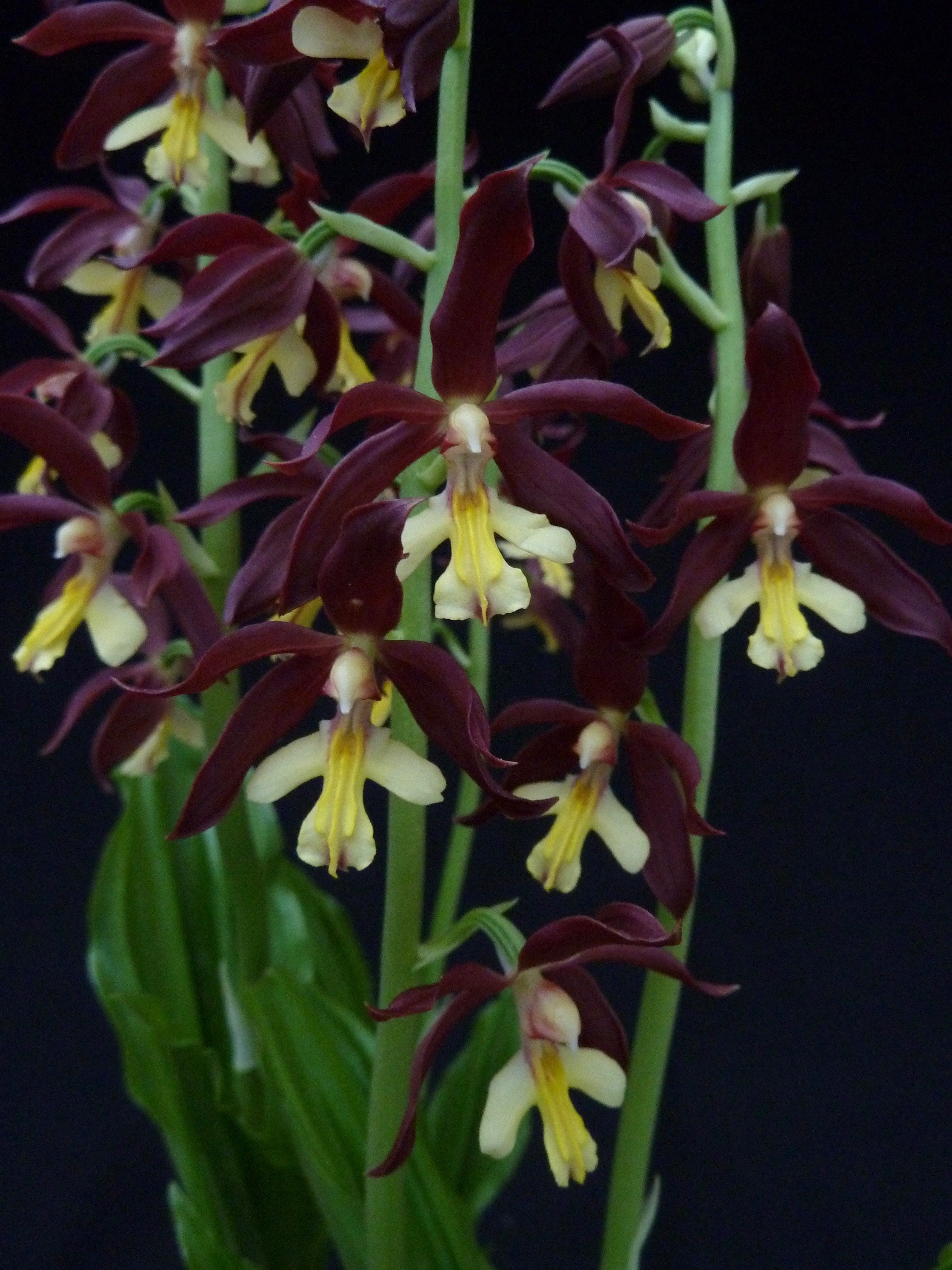
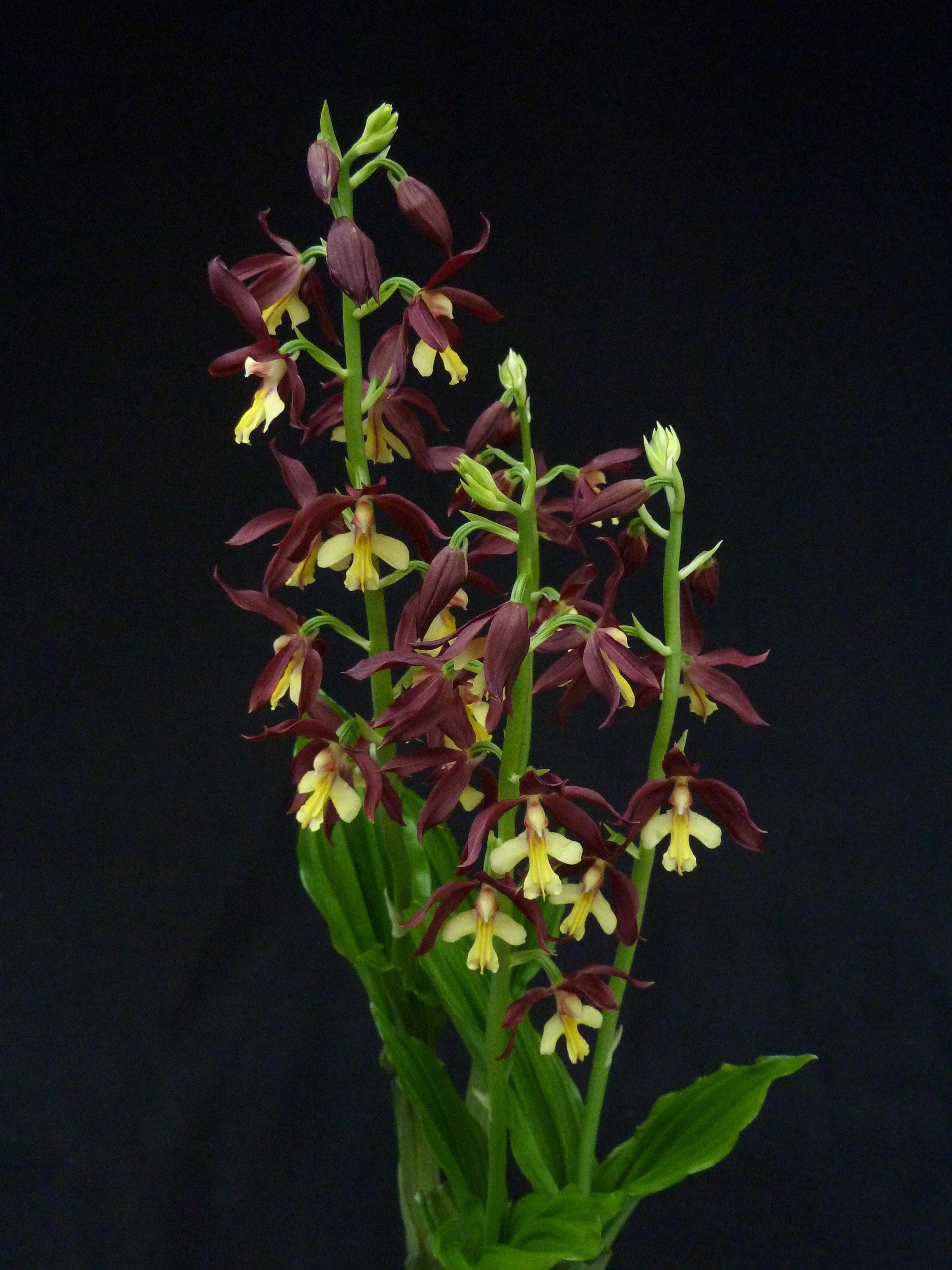
The Calanthe Takane is a beautiful hybrid that shares the strong characteristics of her parents, Calanthe sieboldii and Calanthe discolor, unites. The result is a hardy orchid that not only blooms elegantly, but is also particularly suitable for cultivation in temperate climates. It is a popular choice for collectors and gardeners looking for an orchid that is both sophisticated and robust.
Origin
This hybrid originated in Japan, where both parent species occur naturally. Calanthe sieboldii is known for its large, bright yellow flowers and vigorous growth, while Calanthe discolor appreciated for its subtle colors and graceful blooms. Together they form a hybrid known as Takane - a name that means "high mountain" in Japanese, a reference to its natural habitat and hardy nature.
Features
The flowers of Calanthe Takane appear in loose clusters that can bear up to 15-20 flowers per stem. Their color ranges from soft yellow to cream, often combined with pink or purple-brown shades of C. discolor, which produces a particularly harmonious color palette. Flowering occurs in spring and can last for weeks. The leaves are broad, ribbed and form a graceful green rosette that makes a beautiful accent in the garden or greenhouse after flowering in summer. In winter, the plant retreats, then new shoots appear in spring. The scent of the flower is sometimes described as chocolate-like.
Care for
Light
Place the plant in a light position with filtered light. In the garden, a spot with semi-shade is ideal, for example under deciduous trees.
Temperature
This hybrid is relatively hardy and can tolerate temperatures to just below freezing, if properly protected. In colder climates, it is advisable to cover the plant during the winter or place it in a cool greenhouse.
Substrate
Calanthe Takane grows well in an airy, humus-rich substrate that retains moisture but does not become soggy. In pots, a mixture of leafy soil, tree bark and a little sphagnum can work very well.
Humidity
Moderate humidity is sufficient, as long as the roots do not dry out. In summer, the substrate may be constantly slightly moist.
Nutrition
During the growing period, fertilize weekly with a balanced orchid fertilizer. In autumn, gradually reduce the feeding to allow the plant to go into dormancy.
Watering
Preferably use demineralized water. Keep the soil moist during the growing season, but greatly reduce watering once the leaves die and the plant goes into dormancy.
Flowering
The flowering of Calanthe Takane is downright graceful. The combination of the rich yellow tones of C. sieboldii with the more subtle accents of C. discolor produces an elegant and sophisticated whole. Because the plant blooms in clusters, it is also highly visible in the garden or greenhouse from a distance. For lovers of hardy orchids, this is a hybrid that uniquely combines beauty and robustness.