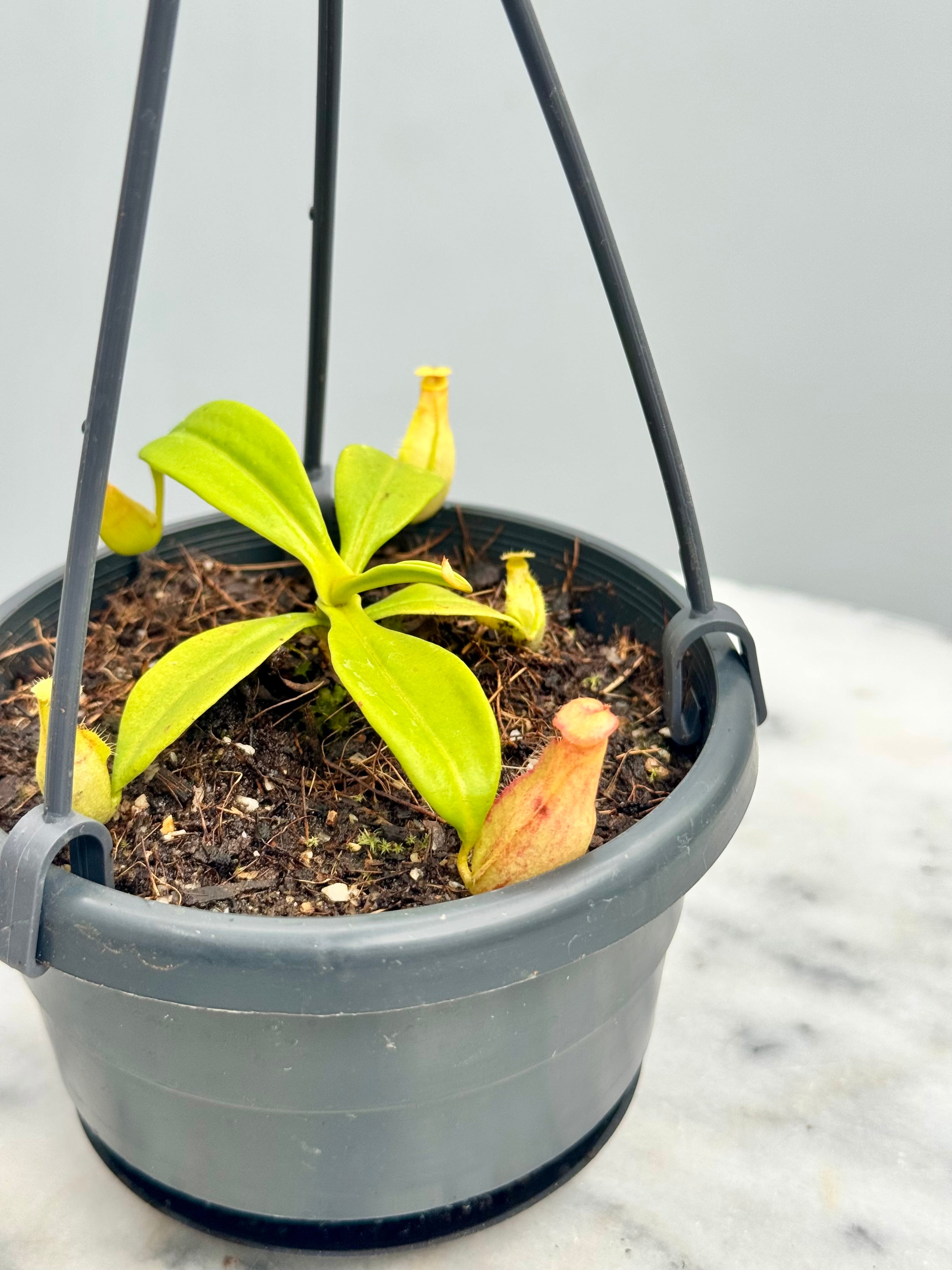
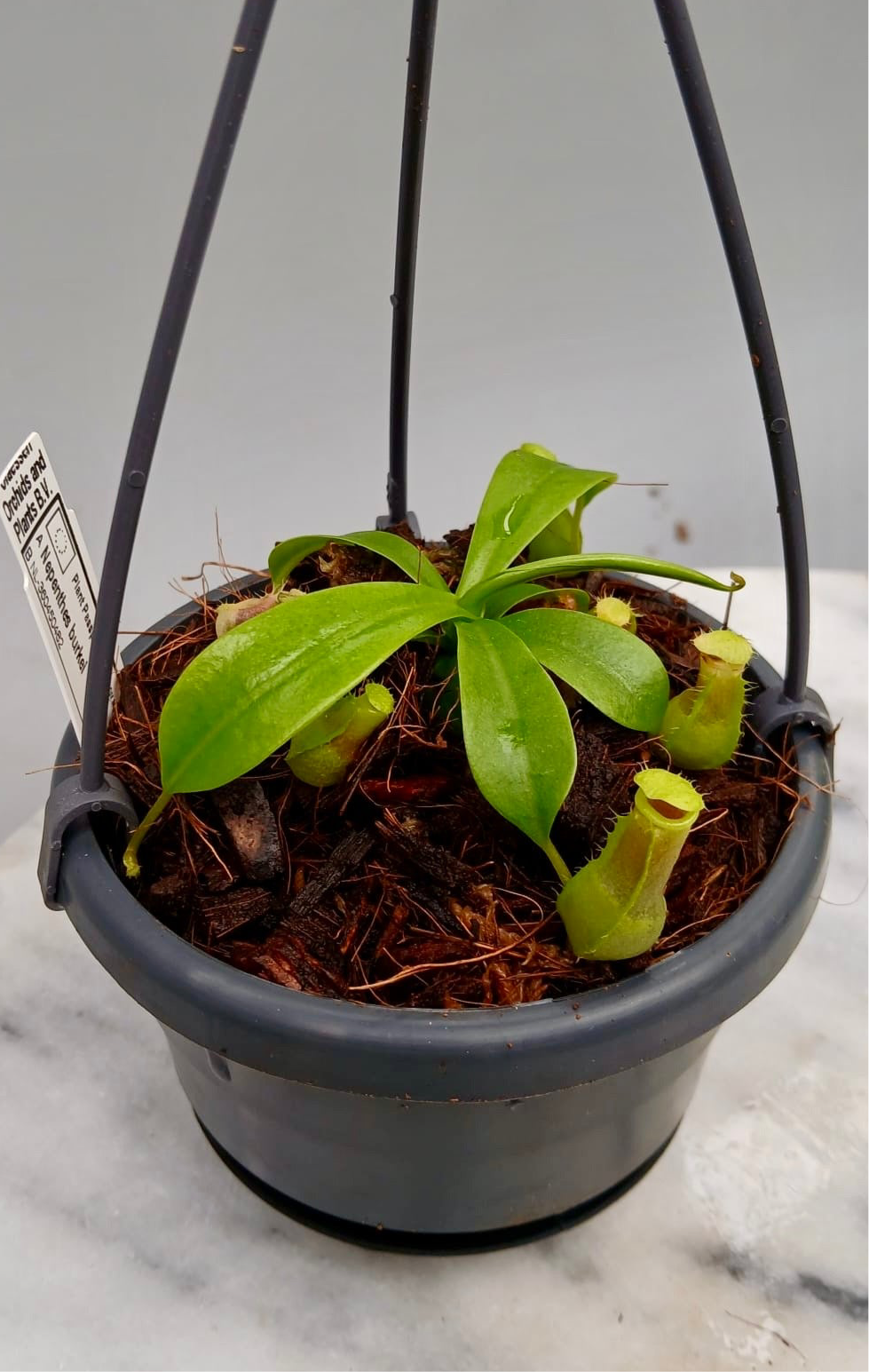
Carnivorous plants obtain nutrients not only from the soil, but also from insects or other small animals trapped in their traps. These plants are often found in nitrogen-poor areas, such as swamps.
Types of Traps and Well-Known Species
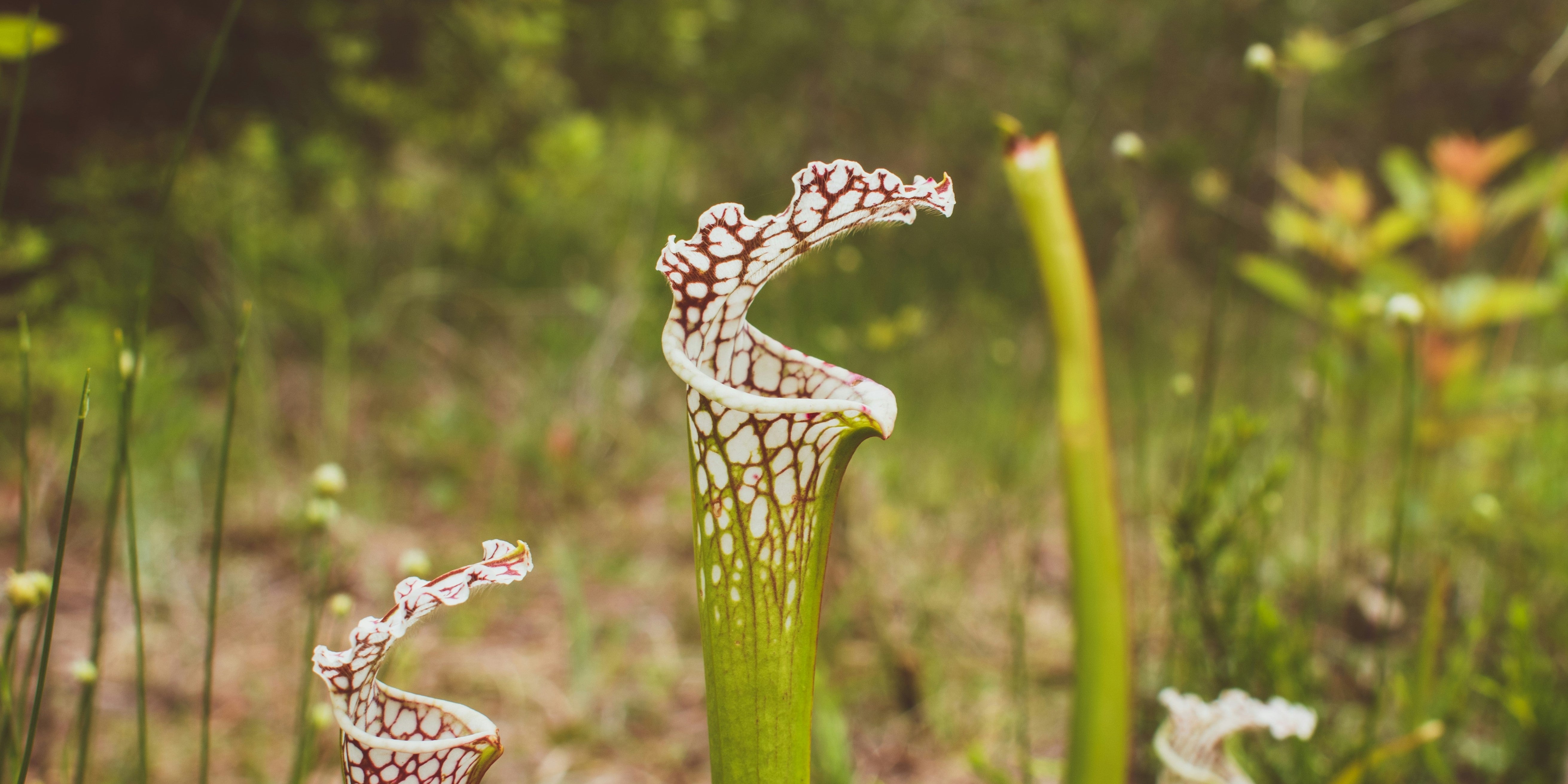
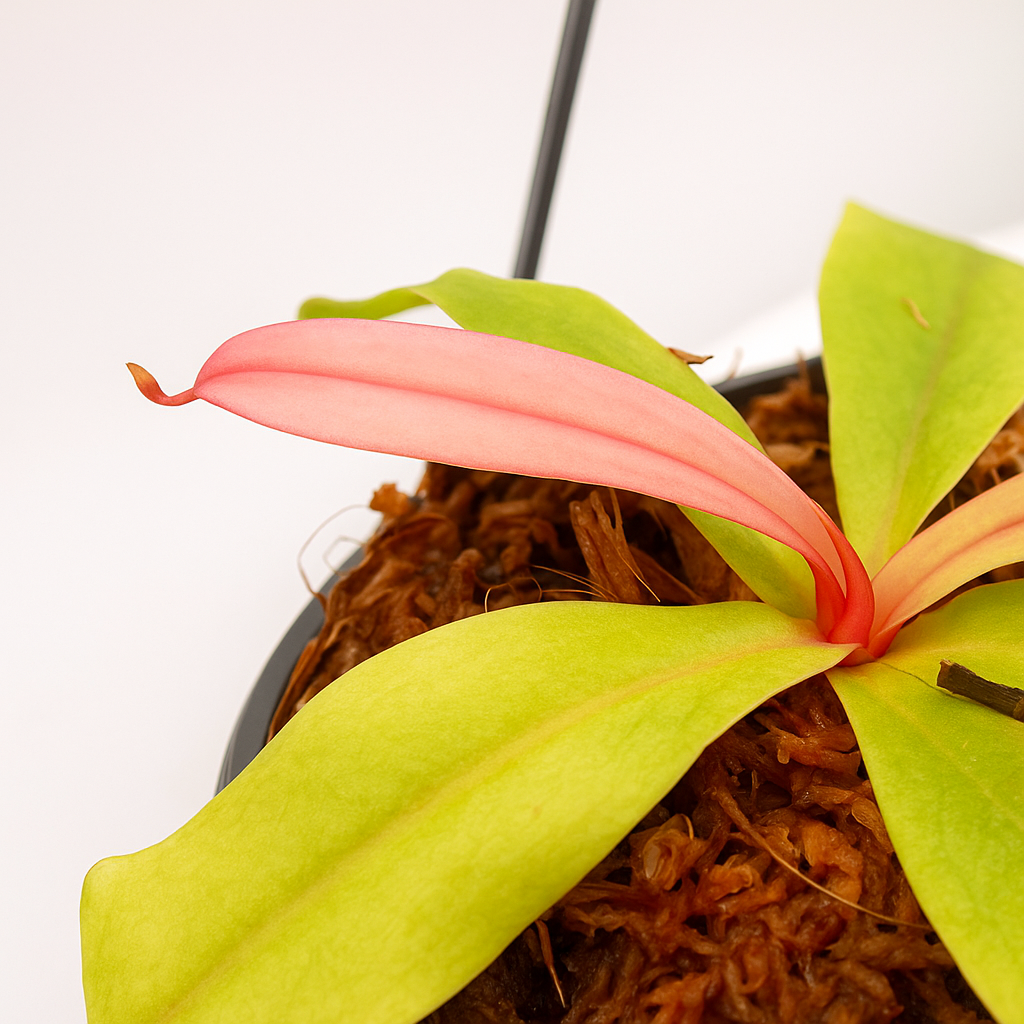
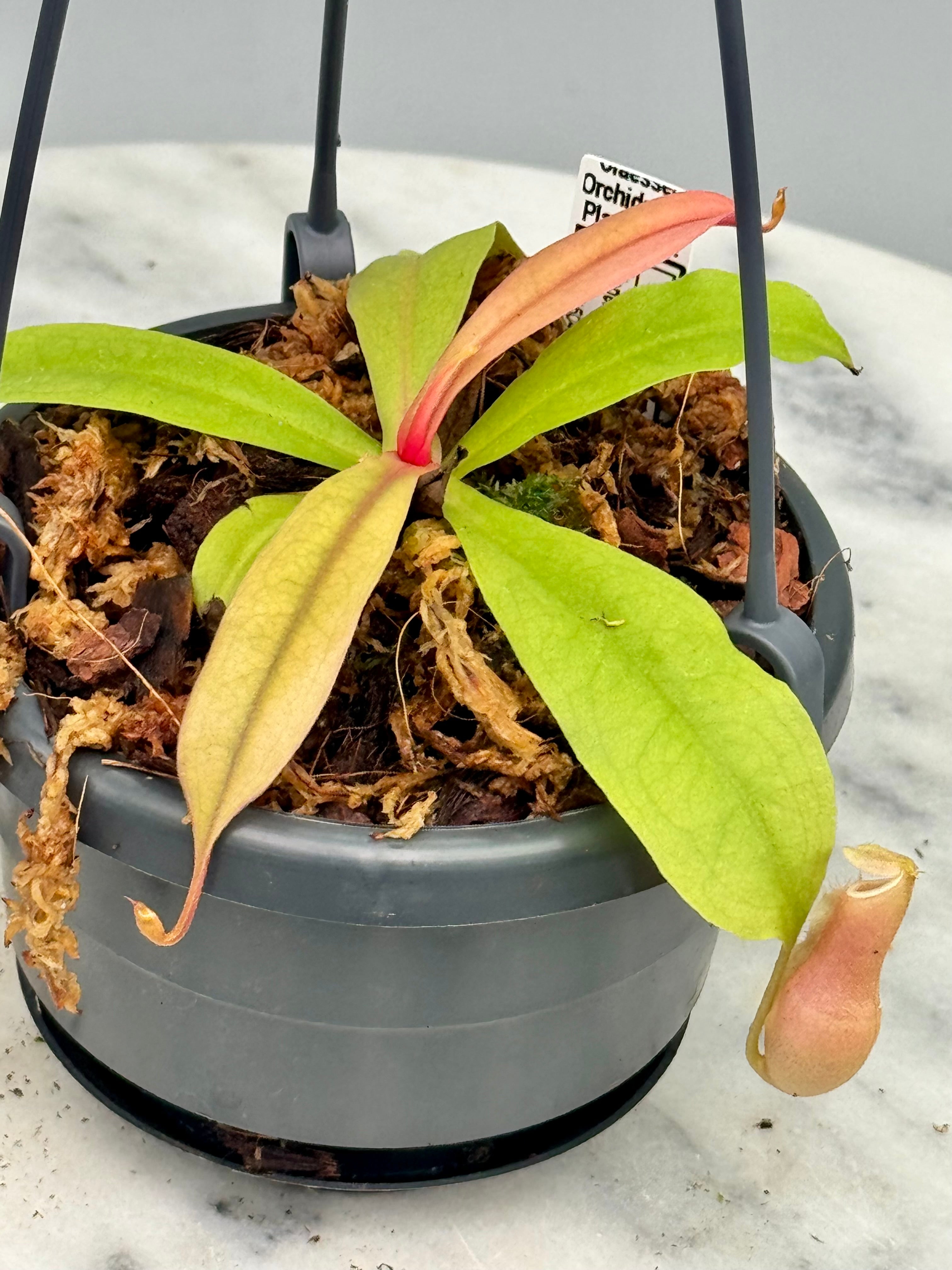
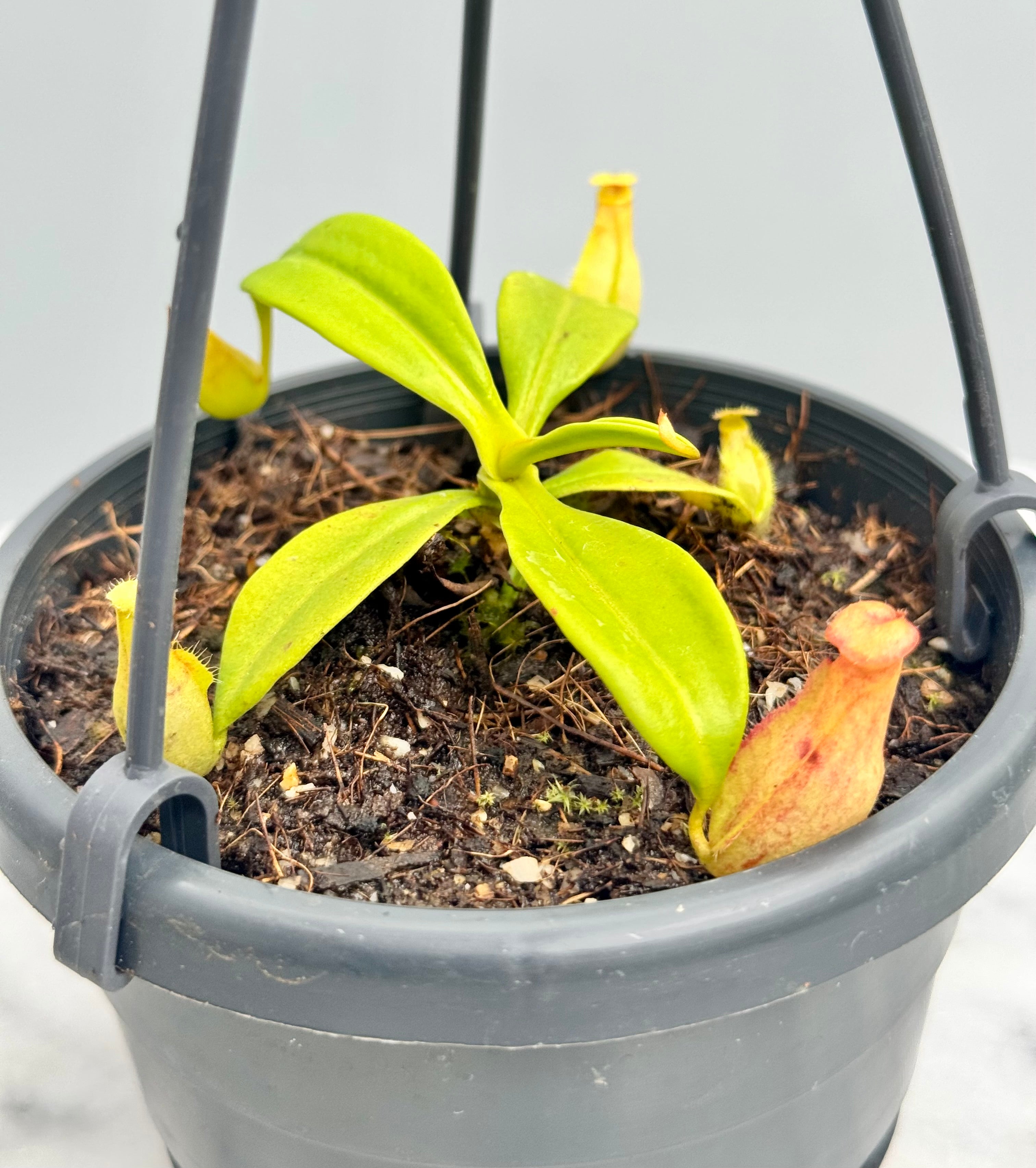
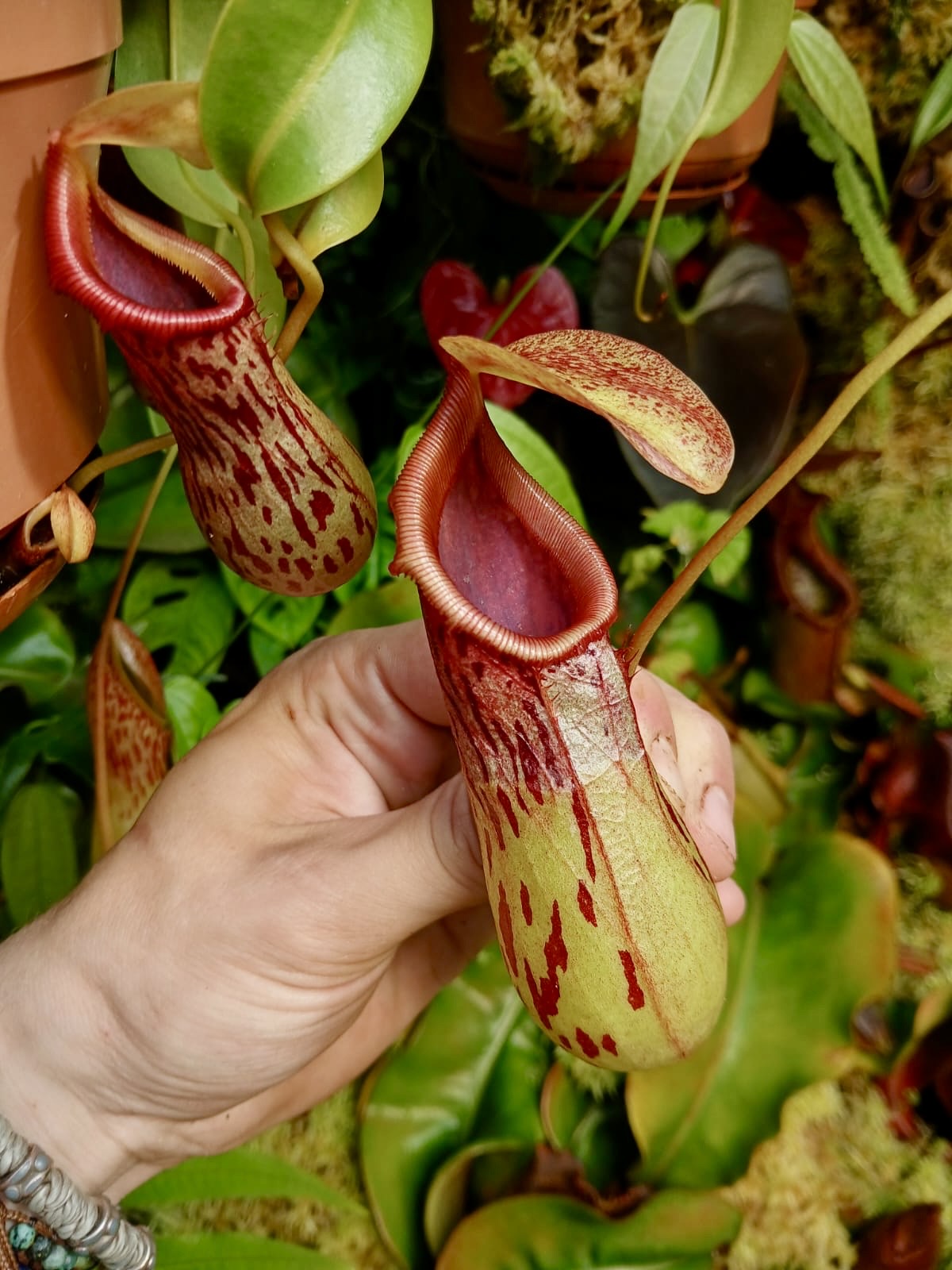
Plants with adhesive traps include sundew, butterwort, Drosophyllum, and Byblis. A snap trap resembles a small mouth and can be found in the Venus flytrap and the water-trap plant. Cup-shaped traps are also extremely popular among carnivorous plant enthusiasts. Well-known species include the trumpet pitcher plant, the sun pitcher plant, and the tropical pitcher plant Nepenthes. The suction trap is found only in the genus Utricularia. The trap found in the genus Genlisea is a pitfall trap.
Care
Caring for carnivorous plants is often best suited for experienced houseplant enthusiasts. They require high humidity but generally prefer a daytime temperature of about 23–27 degrees Celsius and a nighttime temperature of about 15 degrees Celsius. For example, the Nepenthes cannot tolerate the addition of nutrients to the soil. It obtains its nutrients from the flies it catches.